


- Afhalen na 1 uur in een winkel met voorraad
- Gratis thuislevering in België vanaf € 30
- Ruim aanbod met 7 miljoen producten
- Afhalen na 1 uur in een winkel met voorraad
- Gratis thuislevering in België vanaf € 30
- Ruim aanbod met 7 miljoen producten





€ 95,40
+ 190 punten
Omschrijving
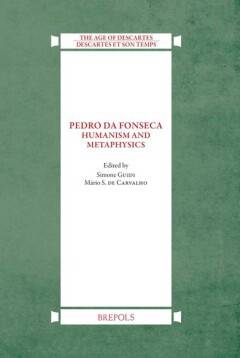
Also known as the "Portuguese Aristotle", Pedro da Fonseca S. J. (1527-1599) was a prominent figure in early modern Scholasticism and particularly in the history of the Society of Jesus. He took part in the writing of the Society's Ratio Studiorum and laid the groundwork for the publication of the famous Cursus Conimbricensis (1592-1606). Furthermore, he was the author of an influential handbook of logic and dialectics (the Institutionum Dialecticarum, 1564), in addition to being one of the most important and recognized commentators on Aristotle's Metaphysics in the sixteenth century (by his unfinished Commentaria, 1577-1612). This volume is the first collection of essays in English devoted to Fonseca, to his intellectual production, and his thought. The book gathers nine essays from scholars worldwide, among which are some of the most important current specialists in early modern Scholasticism, in Portuguese Aristotelianism, and the history of the Society of Jesus. So the volume presents, for the first time, a reliable portrait of the institutional role and the thought of Fonseca about many important questions of Western Metaphysics, as well as the reception of his work in the early modern age.
Specificaties
Betrokkenen
- Auteur(s):
- Uitgeverij:
Inhoud
- Aantal bladzijden:
- 248
- Taal:
- Engels
- Reeks:
- Reeksnummer:
- nr. 8
Eigenschappen
- Productcode (EAN):
- 9782503599991
- Verschijningsdatum:
- 27/04/2023
- Uitvoering:
- Hardcover
- Formaat:
- Genaaid
- Afmetingen:
- 162 mm x 240 mm
- Gewicht:
- 566 g


Alleen bij Standaard Boekhandel
+ 190 punten op je klantenkaart van Standaard Boekhandel
Cadeau

AANGERADEN


Beoordelingen
We publiceren alleen reviews die voldoen aan de voorwaarden voor reviews. Bekijk onze voorwaarden voor reviews.