


- Afhalen na 1 uur in een winkel met voorraad
- Gratis thuislevering in België vanaf € 30
- Ruim aanbod met 7 miljoen producten
- Afhalen na 1 uur in een winkel met voorraad
- Gratis thuislevering in België vanaf € 30
- Ruim aanbod met 7 miljoen producten





€ 55,45
+ 110 punten
Uitvoering
Omschrijving
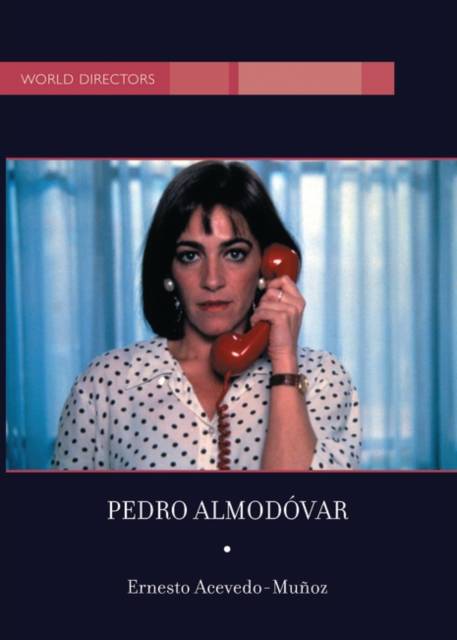
The book provides a detailed introduction to the essential themes, style, and aesthetics of Pedro Almodovar's films, put in the context of Spain's profound cultural transitions since 1980. With precise and close analysis, the book covers the major concerns of the most successful of all Spanish film directors and makes direct, clear connections to the logic of Almodovar's aesthetic and stylistic choices. By spanning the entirety of Pedro Almodovar's feature making career, the book emphasizes the director's sensibility to make the outrageous believable and to always give a unique spin to the issues Spanish history, culture and identity. A detailed and comprehensive approach to all of Pedro Almodovar's feature films from the outrageous 1980 'Pepi, Luci, Bom and Other Girls on the Heap' to the sophisticated 2004 'Bad Education', this book provides more than an introduction an intimate look at the topics, style, aesthetics and cultural sensibilities of Spain's most distinguished and celebrated film director since Luis Bunuel. By focusing on a film-by-film, and often scene-by-scene analysis, this book offers a meticulous interpretation of characters, situations, allusions and cultural intersections, as well as emphasizing the meaning and weight of cultural, historical and social contexts. The book traces the evolution of Almodovar's career, from the perspective of aesthetic, narrative and stylistic concerns and places those changes in the logical context of Spain's historical trajectory from the end of Franco's dictatorship to the transition to democracy, exploring Almodovar's interest on issues of identity, sexuality, and nationalism.
Specificaties
Betrokkenen
- Auteur(s):
- Uitgeverij:
Inhoud
- Aantal bladzijden:
- 216
- Taal:
- Engels
- Reeks:
Eigenschappen
- Productcode (EAN):
- 9781844571505
- Verschijningsdatum:
- 1/09/2007
- Uitvoering:
- Paperback
- Formaat:
- Trade paperback (VS)
- Afmetingen:
- 139 mm x 189 mm
- Gewicht:
- 444 g



Alleen bij Standaard Boekhandel
+ 110 punten op je klantenkaart van Standaard Boekhandel
Cadeau

AANGERADEN


Beoordelingen
We publiceren alleen reviews die voldoen aan de voorwaarden voor reviews. Bekijk onze voorwaarden voor reviews.