


- Afhalen na 1 uur in een winkel met voorraad
- Gratis thuislevering in België vanaf € 30
- Ruim aanbod met 7 miljoen producten
- Afhalen na 1 uur in een winkel met voorraad
- Gratis thuislevering in België vanaf € 30
- Ruim aanbod met 7 miljoen producten





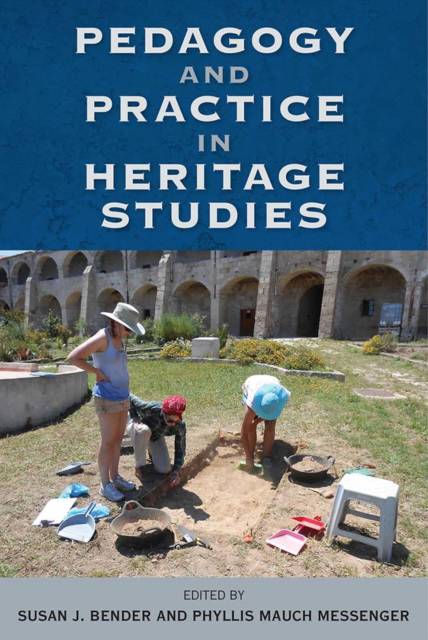
Pedagogy and Practice in Heritage Studies
€ 145,45
+ 290 punten
Eenvoudig bestellen
Veilig betalen


Gratis thuislevering vanaf € 30 (via bpost)
Gratis levering in je Standaard Boekhandel
Omschrijving
As more and more people are recognizing the need for accurately representing the story of the United States in public narratives, especially those told at museums and historic landmarks, heritage studies is emerging as an important program of study in universities across the country. These two collections are timely and valuable resources on the theory and practice of heritage education and its relationship to the discipline of archaeology. History and Approaches to Heritage Studies explores the historical development of cultural heritage theory and practice, as well as current issues in the field. This volume brings together archaeologists who are deeply engaged with a range of stakeholders in heritage management and training. Chapters contain useful reflections on working with descendant communities, local residents, community partners, and students in a variety of settings. With a focus on pedagogy throughout, topics include the importance of critical thinking skills, how technology has transformed education, gender issues in archaeology, minorities in heritage careers, NAGPRA and ethics education, archaeology field schools, and e-learning. Pedagogy and Practice in Heritage Studies presents teaching strategies for helping students think critically about the meanings of the past today. In these case studies, experienced teachers discuss ways to integrate heritage studies values into archaeology curricula, illustrating how the fields enrich each other. They argue that encouraging empathy can lead to awareness of the continuity between past and present, reflection on contemporary cultural norms, and engagement with issues of social and climate justice. These practical examples model ways to introduce diverse perspectives on history in pre-college, undergraduate, and graduate contexts. Emphasizing the importance of heritage studies principles and active learning in archaeological education, these handbooks provide tools to equip archaeologists and heritage professionals with collaborative, community-based, and activist approaches to the past.
Specificaties
Betrokkenen
- Uitgeverij:
Inhoud
- Aantal bladzijden:
- 236
- Taal:
- Engels
- Reeks:
Eigenschappen
- Productcode (EAN):
- 9780813056142
- Verschijningsdatum:
- 19/02/2019
- Uitvoering:
- Hardcover
- Formaat:
- Genaaid
- Afmetingen:
- 152 mm x 229 mm
- Gewicht:
- 517 g

Alleen bij Standaard Boekhandel
+ 290 punten op je klantenkaart van Standaard Boekhandel
CADEAU

AANGERADEN


Beoordelingen
We publiceren alleen reviews die voldoen aan de voorwaarden voor reviews. Bekijk onze voorwaarden voor reviews.