


- Afhalen na 1 uur in een winkel met voorraad
- Gratis thuislevering in België vanaf € 30
- Ruim aanbod met 7 miljoen producten
- Afhalen na 1 uur in een winkel met voorraad
- Gratis thuislevering in België vanaf € 30
- Ruim aanbod met 7 miljoen producten





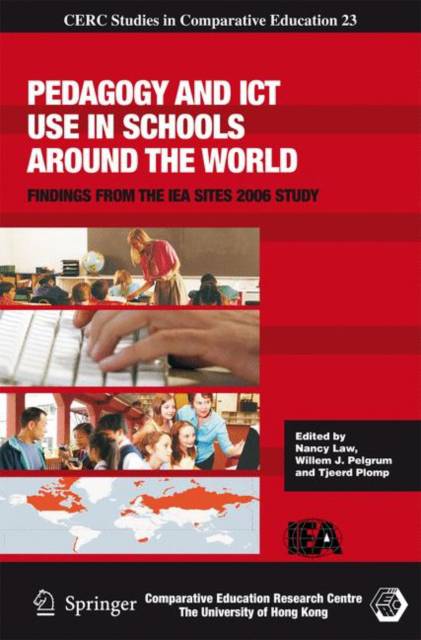
Pedagogy and ICT Use in Schools Around the World
Findings from the Iea Sites 2006 Study
€ 259,45
+ 518 punten
Omschrijving
How is information and communication technology (ICT) changing teaching and learning practices in secondary schools worldwide in the 21st century? This is the central question addressed by researchers involved in the series of surveys comprising the Second Information Technology in EducationStudy (SITES ). The question is a multifaceted one, with each facet raising additionalq uestions relating to both theory and practice. These include the following: - What traditional and new pedagogiesare evident in the 21st century? - What is the role of ICT in the teaching and learning process? - What ICT infrastructure is available in schools? - How can teachers and their administrators be prepared for effective practice? - How have these conditions and considerations changed since the first SITES survey in 1998? - What are the trends within and between national education systems? - What do the differences and similarities between these systems suggest? - How shouldchange be promoted in education in order to support teachers in their work? - Is there evidence that key strategic factors commonly found in ICT related educational policies do influence teachers' pedagogical use of ICT? Because these questions are interconnected, the SITES 2006 researchers recognized that if we are to make sense of changes in pedagogical practicesas a result of IC T use, then we need to view those practices in terms of the interacting layers in the 22 education systems surveyed.
Specificaties
Betrokkenen
- Uitgeverij:
Inhoud
- Aantal bladzijden:
- 296
- Taal:
- Engels
- Reeks:
- Reeksnummer:
- nr. 23
Eigenschappen
- Productcode (EAN):
- 9781402089275
- Verschijningsdatum:
- 30/09/2008
- Uitvoering:
- Hardcover
- Formaat:
- Genaaid
- Afmetingen:
- 156 mm x 234 mm
- Gewicht:
- 644 g

Alleen bij Standaard Boekhandel
+ 518 punten op je klantenkaart van Standaard Boekhandel
Cadeau

AANGERADEN


Beoordelingen
We publiceren alleen reviews die voldoen aan de voorwaarden voor reviews. Bekijk onze voorwaarden voor reviews.