


- Afhalen na 1 uur in een winkel met voorraad
- Gratis thuislevering in België vanaf € 30
- Ruim aanbod met 7 miljoen producten
- Afhalen na 1 uur in een winkel met voorraad
- Gratis thuislevering in België vanaf € 30
- Ruim aanbod met 7 miljoen producten





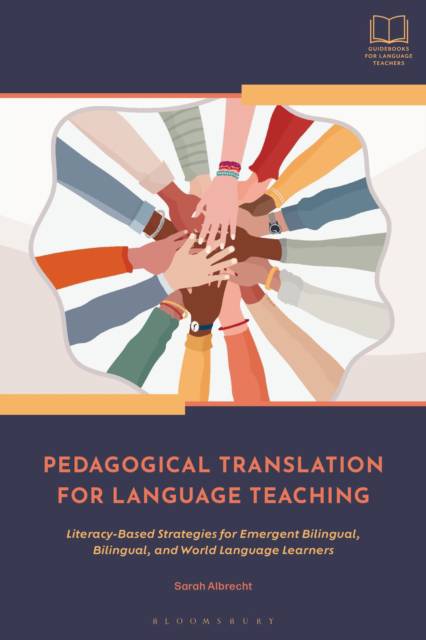
Pedagogical Translation for Language Teaching
Literacy-Based Strategies for Emergent Bilingual, Bilingual, and World Language Learners
Sarah Albrecht
€ 203,95
+ 407 punten
Uitvoering
Omschrijving
This book combines translation and second language acquisition with literacy as a social practice for a powerful new approach to language teaching and learning. It provides the reader with transdisciplinary theoretical grounding, an overview of translation benefits and approaches, and sample translation activities as guidance for applying translation as a collaborative pedagogical tool in K-12 and postsecondary language-learning environments. These environments may range from monolingual with emergent bilinguals, bilingual, heritage, or world language (including English as a Foreign Language).
Recommended texts for translation across languages range from oral, written, and multimodal. Alongside these, all of the book's translation activities include suggestions for modification according to age, language level, and language-learning environment. Flexibility in formulation of language and literacy objectives and assessments is a key component, with potential modifications according to varying standards, such as CEFR, ACTFL, Common Core, and standards for biliteracy. Readers from all language instruction environments will be able to understand the benefits of and need for pedagogical translation, incorporate pedagogical translation activities into already-established content, design and modify pedagogical translation activities, and develop standards-based objectives and evaluations for translation-based activities.Specificaties
Betrokkenen
- Auteur(s):
- Uitgeverij:
Inhoud
- Aantal bladzijden:
- 256
- Taal:
- Engels
- Reeks:
Eigenschappen
- Productcode (EAN):
- 9781350412750
- Verschijningsdatum:
- 22/01/2026
- Uitvoering:
- Hardcover
- Formaat:
- Genaaid
- Afmetingen:
- 156 mm x 234 mm
- Gewicht:
- 539 g



Alleen bij Standaard Boekhandel
+ 407 punten op je klantenkaart van Standaard Boekhandel
Cadeau

AANGERADEN


Beoordelingen
We publiceren alleen reviews die voldoen aan de voorwaarden voor reviews. Bekijk onze voorwaarden voor reviews.