


- Afhalen na 1 uur in een winkel met voorraad
- Gratis thuislevering in België vanaf € 30
- Ruim aanbod met 7 miljoen producten
- Afhalen na 1 uur in een winkel met voorraad
- Gratis thuislevering in België vanaf € 30
- Ruim aanbod met 7 miljoen producten





€ 169,95
+ 339 punten
Omschrijving
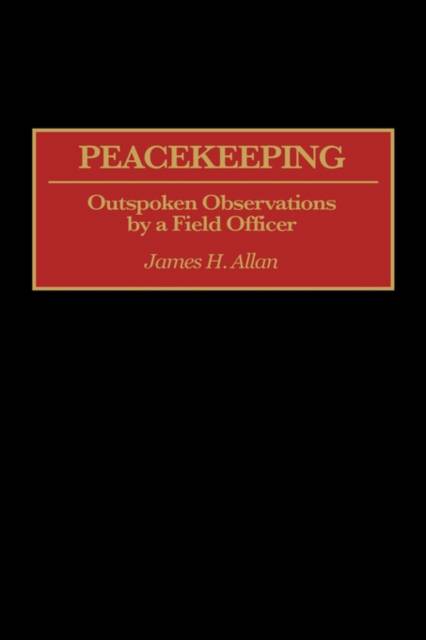
This study argues, based on the author's firsthand experience with five United Nations peacekeeping missions, that classic peacekeepers in the Cold War era could play a limited but nonetheless useful role in international conflict control. However, in the post-Cold War period, some new approaches to peacekeeping and ventures into enforcement have been unsuccessful, and the United Nations has lost much credibility in the art of peacekeeping. In a violent world, peacekeeping will always play a minor supporting role to traditional diplomacy among the great powers and to coalition and alliance efforts to control conflict. The author's involvement in peacekeeping missions in Cyprus, Iran-Iraq, and other parts of the Middle East over the period from 1967 to 1990 gives him a rare and informed perspective on peacekeeping.
Specificaties
Betrokkenen
- Auteur(s):
- Uitgeverij:
Inhoud
- Aantal bladzijden:
- 224
- Taal:
- Engels
- Reeks:
Eigenschappen
- Productcode (EAN):
- 9780275953614
- Verschijningsdatum:
- 20/03/1996
- Uitvoering:
- Hardcover
- Formaat:
- Genaaid
- Afmetingen:
- 162 mm x 245 mm
- Gewicht:
- 453 g


Alleen bij Standaard Boekhandel
+ 339 punten op je klantenkaart van Standaard Boekhandel
Cadeau

AANGERADEN


Beoordelingen
We publiceren alleen reviews die voldoen aan de voorwaarden voor reviews. Bekijk onze voorwaarden voor reviews.