


- Afhalen na 1 uur in een winkel met voorraad
- Gratis thuislevering in België vanaf € 30
- Ruim aanbod met 7 miljoen producten
- Afhalen na 1 uur in een winkel met voorraad
- Gratis thuislevering in België vanaf € 30
- Ruim aanbod met 7 miljoen producten





€ 84,80
+ 169 punten
Omschrijving
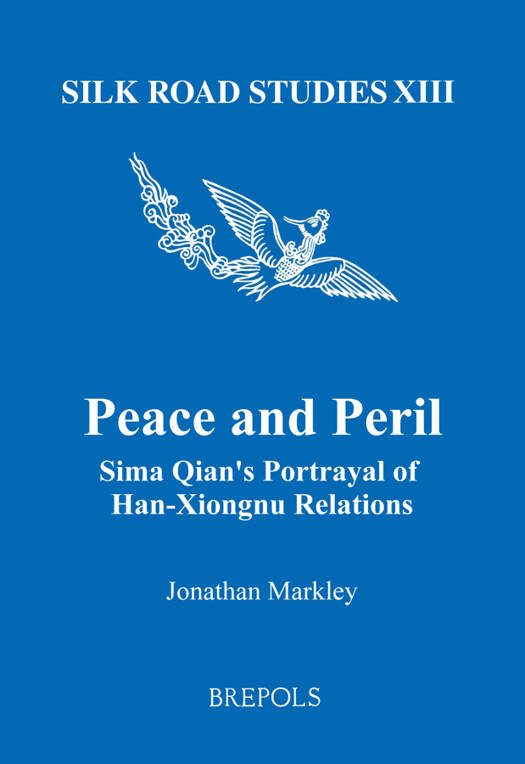
Emperor Wu is generally recognized as the greatest ruler of the Han Dynasty, and his wars against the steppe warrior Xiongnu as one of his greatest undertakings. To the chief narrator of these events, ancient Chinese historian Sima Qian, the turning point in Han Dynasty history was the way Emperor Wu had abandoned the policy of peaceful relations with the Xiongnu, and launched China on a series of campaigns that would last for decades. This has been almost universally accepted as truth in modern scholarship, but these claims cannot be taken at face value. Firstly, this book identifies ways in which the Shiji account is riddled with inconsistencies and deliberately misleading information, and provides explanations for this. He hid signs of rising disquiet with the peace policy of earlier rulers, and concealed indications that for at least two decades China's leadership had been searching for alternatives. Secondly, the work reconstructs a more accurate narrative of events for one hundred years of Han - Xiongnu relations than can be gained by a straight-forwarding reading of individual chapters of the Shiji. A narrative emerges of an historian with an agenda, and of a century of Han - Xiongnu relations that is markedly different from any previously produced.
Specificaties
Betrokkenen
- Auteur(s):
- Uitgeverij:
Inhoud
- Aantal bladzijden:
- 302
- Taal:
- Engels
- Reeks:
- Reeksnummer:
- nr. 13
Eigenschappen
- Productcode (EAN):
- 9782503530833
- Verschijningsdatum:
- 17/05/2016
- Uitvoering:
- Paperback
- Formaat:
- Trade paperback (VS)
- Afmetingen:
- 155 mm x 231 mm
- Gewicht:
- 521 g


Alleen bij Standaard Boekhandel
+ 169 punten op je klantenkaart van Standaard Boekhandel
Cadeau

AANGERADEN


Beoordelingen
We publiceren alleen reviews die voldoen aan de voorwaarden voor reviews. Bekijk onze voorwaarden voor reviews.