



Er zijn problemen bij het activeren van e-books. Daardoor kan het langer duren voor je aangekochte e-books beschikbaar zijn. Je ontvangt automatisch bericht van zodra dat het geval is.
- Afhalen na 1 uur in een winkel met voorraad
- In januari gratis thuislevering in België
- Ruim aanbod met 7 miljoen producten
Er zijn problemen bij het activeren van e-books. Daardoor kan het langer duren voor je aangekochte e-books beschikbaar zijn. Je ontvangt automatisch bericht van zodra dat het geval is.
- Afhalen na 1 uur in een winkel met voorraad
- In januari gratis thuislevering in België
- Ruim aanbod met 7 miljoen producten





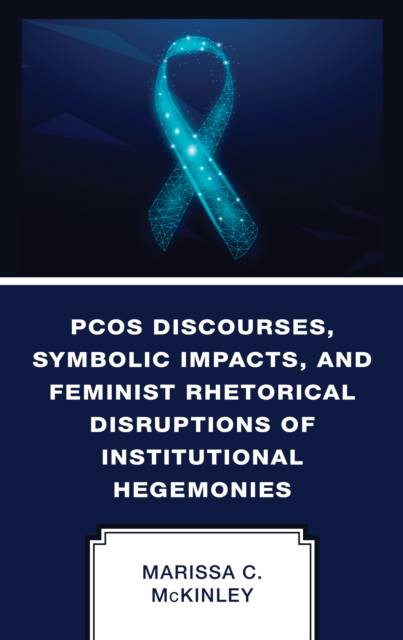
Pcos Discourses, Symbolic Impacts, and Feminist Rhetorical Disruptions of Institutional Hegemonies
Marissa C McKinley
€ 169,95
Omschrijving
PCOS Discourses, Symbolic Impacts, and Feminist Rhetorical Disruptions of Institutional Hegemonies examines the power of hegemonic institutions and their impact on bodies, focusing on how women with Polycystic Ovarian Syndrome (PCOS) employ rhetorical strategies to resist and disrupt mass media and clinical discourses that seek to define them and their experiences. This monograph argues that through the enactment of bio-power (Foucault), digital and mass media have denied women with PCOS opportunities for autonomous subject formation, and, in turn, allowances for constructing their ontologies and epistemologies. However, by networking in participatory new media, McKinley posits, women with PCOS can reclaim their agency. To support this argument, McKinley rhetorically examines three PCOS artifacts--a television episode, an online popular culture forum, and an online health forum. This monograph bridges the personal and the academic and adds to and extends the work being done in the Rhetoric of Health and Medicine (RHM) on PCOS through the adoption of a unique theoretical lens (e.g., Lisa Melonçon's performative phenomenology) and methodology (e.g., Norman K. Denzin's Feminist Communitarian Model) and contributes to conversations surrounding femaleness, femininity, women's health challenges, and advocacy, as located in RHM scholarship and related fields.
Specificaties
Betrokkenen
- Auteur(s):
- Uitgeverij:
Inhoud
- Aantal bladzijden:
- 162
- Taal:
- Engels
- Reeks:
- Reeksnummer:
- nr. 13
Eigenschappen
- Productcode (EAN):
- 9781666905502
- Verschijningsdatum:
- 5/09/2023
- Uitvoering:
- Hardcover
- Formaat:
- Genaaid
- Afmetingen:
- 152 mm x 229 mm
- Gewicht:
- 408 g


Alleen bij Standaard Boekhandel
Cadeau

AANGERADEN


Beoordelingen
We publiceren alleen reviews die voldoen aan de voorwaarden voor reviews. Bekijk onze voorwaarden voor reviews.