


- Afhalen na 1 uur in een winkel met voorraad
- Gratis thuislevering in België vanaf € 30
- Ruim aanbod met 7 miljoen producten
- Afhalen na 1 uur in een winkel met voorraad
- Gratis thuislevering in België vanaf € 30
- Ruim aanbod met 7 miljoen producten




Omschrijving
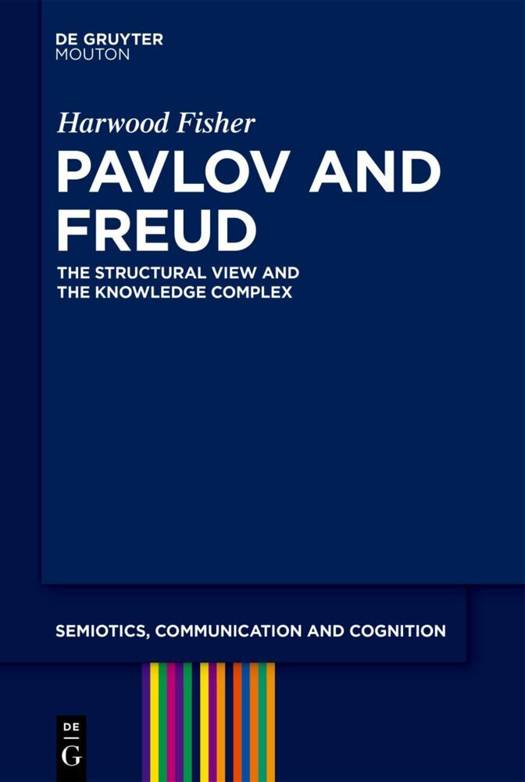
Freud focuses the 'psyche' cut from neurological phenomena. Pavlov focuses the observable, proposing its relation with the neurological. Freud versus Pavlov? This book reveals their shared ways of thinking, basic concepts of mind, psychopathology, and their representations despite apparent oppositions. Both Freud and Pavlov advance a psychological theory of mental pathology. Their common overall conception is totally under-analyzed. Each represents multiple levels of thought, necessitating semiotic latitude and its analysis. Peirce's basic concepts of mind, thought, and representation augur a systems approach, synthesizing the two theorists' views, re-conceiving their oppositions. A structural view emerges, making psychological phenomena accessible to logical form, schema patterning, and dynamic change. Both theorists picture the sequencing and logical identity of terms governing thought. Freud follows the defense, reaction formation and its twists of logic. Pavlov conceptualizes the illogical ultra-paradoxical reaction, referring it to inter sub-system sequences. Both make marked use of negation in needed representation changes. The different signs require semiotic analysis specifying logical, if not computable interrelations. The result-a knowledge complex encompassing neurological and psychological variables- has implications for those who study, research, and treat mental pathology in psychology, cognitive semiotics, cognitive science, and AI.
Specificaties
Betrokkenen
- Auteur(s):
- Uitgeverij:
Inhoud
- Aantal bladzijden:
- 400
- Taal:
- Engels
- Reeks:
- Reeksnummer:
- nr. 32
Eigenschappen
- Productcode (EAN):
- 9783110785418
- Uitvoering:
- Hardcover
- Afmetingen:
- 155 mm x 230 mm



Alleen bij Standaard Boekhandel
+ 283 punten op je klantenkaart van Standaard Boekhandel
AANGERADEN


Beoordelingen
We publiceren alleen reviews die voldoen aan de voorwaarden voor reviews. Bekijk onze voorwaarden voor reviews.