


- Afhalen na 1 uur in een winkel met voorraad
- Gratis thuislevering in België vanaf € 30
- Ruim aanbod met 7 miljoen producten
- Afhalen na 1 uur in een winkel met voorraad
- Gratis thuislevering in België vanaf € 30
- Ruim aanbod met 7 miljoen producten





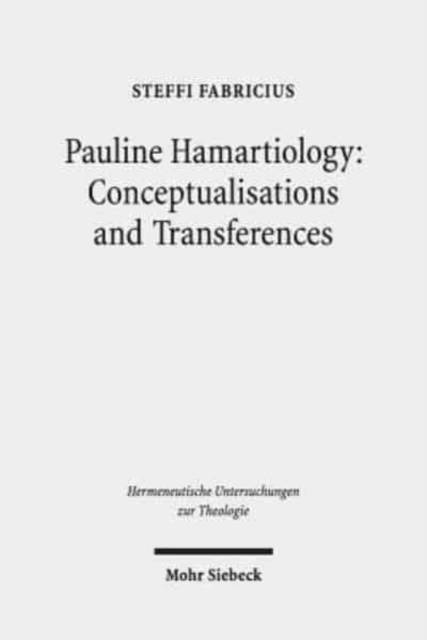
Pauline Hamartiology: Conceptualisation and Transferences
Positioning Cognitive Semantic Theory and Method Within Theology
Steffi Fabricius
€ 135,95
+ 271 punten
Omschrijving
Steffi Fabricius approaches Pauline hamartiology from a cognitive semantic perspective and combines the conventional views on Paul's understanding of hamartia as an action, a personification, and as a power into a conceptual metaphorical network. By using the theories of conceptual metaphors and blending on biblical texts and their hermeneutical interpretation regarding fundamental-theological issues, a discussion is opened on why traditional methods are insufficient to cover hamartia extensively. The author not only reveals a revised concept of Pauline hamartia, but more importantly aims at a theological evaluation of cognitive semantics and its ontological foundation of embodied realism via relational ontology and the concept of metaphor as transfer, hoping to broaden the interdisciplinary discourse between systematic theology and cognitive linguistics.
Specificaties
Betrokkenen
- Auteur(s):
- Uitgeverij:
Inhoud
- Aantal bladzijden:
- 312
- Taal:
- Engels
- Reeks:
Eigenschappen
- Productcode (EAN):
- 9783161566219
- Verschijningsdatum:
- 1/12/2018
- Uitvoering:
- Hardcover
- Formaat:
- Genaaid
- Afmetingen:
- 153 mm x 229 mm
- Gewicht:
- 530 g


Alleen bij Standaard Boekhandel
+ 271 punten op je klantenkaart van Standaard Boekhandel
AANGERADEN


Beoordelingen
We publiceren alleen reviews die voldoen aan de voorwaarden voor reviews. Bekijk onze voorwaarden voor reviews.