


- Afhalen na 1 uur in een winkel met voorraad
- Gratis thuislevering in België vanaf € 30
- Ruim aanbod met 7 miljoen producten
- Afhalen na 1 uur in een winkel met voorraad
- Gratis thuislevering in België vanaf € 30
- Ruim aanbod met 7 miljoen producten





Omschrijving
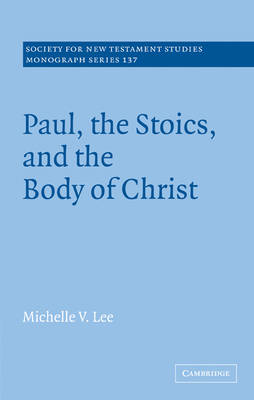
At first glance, Paul's words to the Corinthians about being the body of Christ seem simple and straightforward. He compares them with a human body so that they may be encouraged to work together, each member contributing to the good of the whole according to his or her special gift. However, the passage raises several critical questions which point to its deeper implications. Does Paul mean that the community is 'like' a body or is he saying that they are in some sense a real body? What is the significance of being specifically the body of Christ? Is the primary purpose of the passage to instruct on the correct use of spiritual gifts or is Paul making a statement about the identity of the Christian community? Michelle Lee examines Paul's instructions in 1 Corinthians 12-14 against the backdrop of Hellenistic moral philosophy, and especially Stoicism.
Specificaties
Betrokkenen
- Auteur(s):
- Uitgeverij:
Inhoud
- Aantal bladzijden:
- 240
- Taal:
- Engels
- Reeks:
- Reeksnummer:
- nr. 137
Eigenschappen
- Productcode (EAN):
- 9780521091435
- Verschijningsdatum:
- 4/12/2008
- Uitvoering:
- Paperback
- Formaat:
- Trade paperback (VS)
- Afmetingen:
- 140 mm x 216 mm
- Gewicht:
- 308 g


Alleen bij Standaard Boekhandel
+ 138 punten op je klantenkaart van Standaard Boekhandel
Cadeau

AANGERADEN


Beoordelingen
We publiceren alleen reviews die voldoen aan de voorwaarden voor reviews. Bekijk onze voorwaarden voor reviews.