


- Afhalen na 1 uur in een winkel met voorraad
- Gratis thuislevering in België vanaf € 30
- Ruim aanbod met 7 miljoen producten
- Afhalen na 1 uur in een winkel met voorraad
- Gratis thuislevering in België vanaf € 30
- Ruim aanbod met 7 miljoen producten





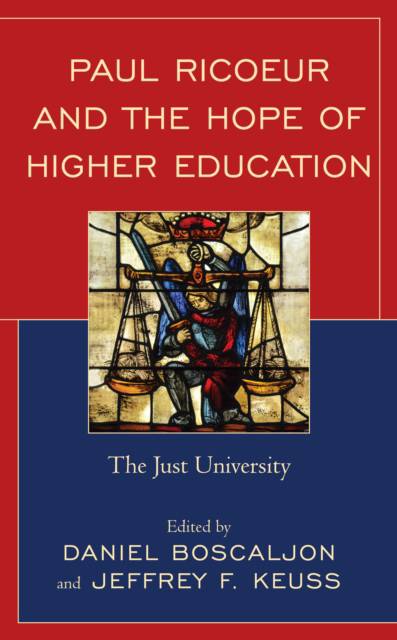
Paul Ricoeur and the Hope of Higher Education
The Just University
€ 228,95
+ 457 punten
Omschrijving
The essays in Paul Ricoeur and the Hope of Higher Education: The Just University discuss diverse ways that Paul Ricoeur's work provides hopeful insight and necessary provocation that should inform the task and mission of the modern university in the changing landscape of Higher Education. This volume gathers interdisciplinary scholars seeking to reestablish the place of justice as the central function of higher education in the twenty-first century. The contributors represent diverse backgrounds, including teachers, scholars, and administrators from R1 institutions, seminary and divinity schools as well as undergraduate teaching colleges. This collection, edited by Daniel Boscaljon and Jeffrey F. Keuss, offers critical and practical visions for the renewal of higher education. The first part of the book provides an internal examination of the university system and details how Ricoeur's thinking assists on pragmatics from syllabus design to final exams to daily teaching. The second portion of the book examines the Just University's role as a social institution within the broader cultural world and looks at how Ricoeur's description of values informs how the university works relative to religious belief, prisons, and rural poverty.
Specificaties
Betrokkenen
- Uitgeverij:
Inhoud
- Aantal bladzijden:
- 346
- Taal:
- Engels
- Reeks:
Eigenschappen
- Productcode (EAN):
- 9781793638267
- Verschijningsdatum:
- 14/01/2021
- Uitvoering:
- Hardcover
- Formaat:
- Genaaid
- Afmetingen:
- 152 mm x 229 mm
- Gewicht:
- 680 g


Alleen bij Standaard Boekhandel
+ 457 punten op je klantenkaart van Standaard Boekhandel
Cadeau

AANGERADEN


Beoordelingen
We publiceren alleen reviews die voldoen aan de voorwaarden voor reviews. Bekijk onze voorwaarden voor reviews.