



- Afhalen na 1 uur in een winkel met voorraad
- In januari gratis thuislevering in België
- Ruim aanbod met 7 miljoen producten
- Afhalen na 1 uur in een winkel met voorraad
- In januari gratis thuislevering in België
- Ruim aanbod met 7 miljoen producten





€ 73,95
+ 147 punten
Uitvoering
Omschrijving
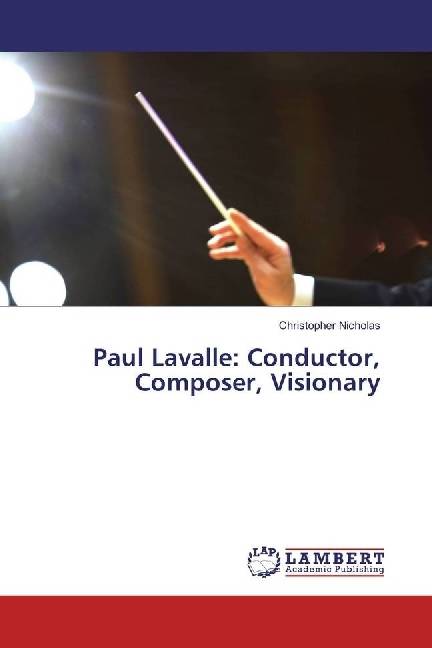
The period from 1865 to 1930 is widely regarded as the era that the professional concert band enjoyed exponential growth and appeal as a popular musical attraction in American culture. The work of impresario conductors such as Patrick Gilmore, John Philip Sousa, Edwin Franko Goldman and others during this time helped establish the concert band as one of America's foremost cultural musical entities. Through the advent of radio programming featuring concert bands, as well as the ambitious tours of celebrity conductors and their ensembles, concert band music was enjoyed by millions of Americans in city parks, concert halls, town festivals, and living rooms nationwide. This book explores the life and creative output of one of the most important leaders of this movement in mid-twentieth Century New York: Pau Lavalle.
Specificaties
Betrokkenen
- Auteur(s):
- Uitgeverij:
Inhoud
- Aantal bladzijden:
- 284
- Taal:
- Engels
Eigenschappen
- Productcode (EAN):
- 9783659792939
- Uitvoering:
- Paperback
- Afmetingen:
- 150 mm x 220 mm


Alleen bij Standaard Boekhandel
+ 147 punten op je klantenkaart van Standaard Boekhandel
Cadeau

AANGERADEN


Beoordelingen
We publiceren alleen reviews die voldoen aan de voorwaarden voor reviews. Bekijk onze voorwaarden voor reviews.