


- Afhalen na 1 uur in een winkel met voorraad
- Gratis thuislevering in België vanaf € 30
- Ruim aanbod met 7 miljoen producten
- Afhalen na 1 uur in een winkel met voorraad
- Gratis thuislevering in België vanaf € 30
- Ruim aanbod met 7 miljoen producten





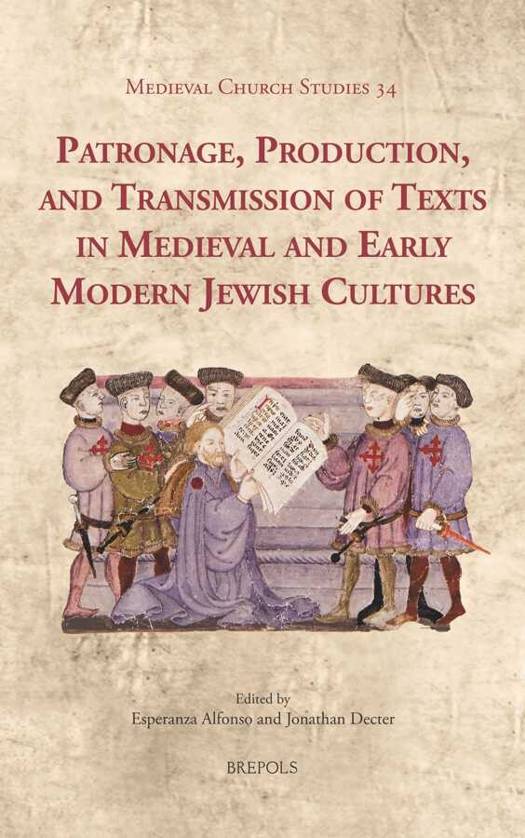
Patronage, Production, and Transmission of Texts in Medieval and Early Modern Jewish Cultures
Esperanza Alfonso
€ 116,60
+ 233 punten
Omschrijving
Medieval and early modern cultural history has witnessed a recent shift from the study of manuscripts and early printed books as vehicles of texts and images towards their study as cultural objects in their own right. Rather than focusing solely on original authorship, scholars have turned to subjects such as the patronage, production, circulation, and consumption of texts. Codicological features, annotations, glosses, ownership notes, deeds of sale, and other traces have revealed countless insights into the social worlds of texts - their patrons, producers, and readers. This book contributes to this area of scholarship with respect to Jewish texts and Jewish social contexts by focusing on select cases in the production of Bibles, Haggadot, religious poetry, and translations of and commentaries on scripture in the Eastern and Western Mediterranean between the tenth and sixteenth centuries. Individual essays consider models of patron-client relationships, interconfessional patronage scenarios, manuscript production through 'multiple hands', the (incomplete) transition from manuscript production to printed books, and relationships among text, image, and reader as suggested by codicological features.
Specificaties
Betrokkenen
- Auteur(s):
- Uitgeverij:
Inhoud
- Aantal bladzijden:
- 398
- Taal:
- Engels
- Reeks:
- Reeksnummer:
- nr. 34
Eigenschappen
- Productcode (EAN):
- 9782503542904
- Verschijningsdatum:
- 30/12/2014
- Uitvoering:
- Hardcover
- Formaat:
- Genaaid
- Afmetingen:
- 165 mm x 239 mm
- Gewicht:
- 748 g



Alleen bij Standaard Boekhandel
+ 233 punten op je klantenkaart van Standaard Boekhandel
Cadeau

AANGERADEN


Beoordelingen
We publiceren alleen reviews die voldoen aan de voorwaarden voor reviews. Bekijk onze voorwaarden voor reviews.