


- Afhalen na 1 uur in een winkel met voorraad
- Gratis thuislevering in België vanaf € 30
- Ruim aanbod met 7 miljoen producten
- Afhalen na 1 uur in een winkel met voorraad
- Gratis thuislevering in België vanaf € 30
- Ruim aanbod met 7 miljoen producten





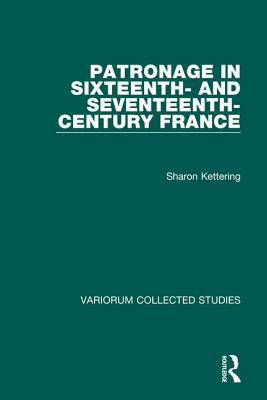
Patronage in Sixteenth- And Seventeenth-Century France
Sharon Kettering
€ 56,95
+ 113 punten
Omschrijving
The dual themes of this volume are the characteristics of patronage relationships and their political uses in early modern France. The first essays provide an overview of the scholarly literature and suggest that the obligatory reciprocity of the patron-client exchange was a defining characteristic. The third and fourth essays compare patronage relationships with kinship and friendship, while the following two focus on the patronage role of noblewomen. Professor Kettering then looks at the role of brokerage in state formation in early modern France, comparing this with other early modern societies. In the final section she explores the role of patronage in the religious wars of the late 16th century and in the civil war of the Fronde a half century later, and the ways in which it was affected by the changing lifestyles of the great nobles during the late 17th century.
Specificaties
Betrokkenen
- Auteur(s):
- Uitgeverij:
Inhoud
- Aantal bladzijden:
- 304
- Taal:
- Engels
- Reeks:
Eigenschappen
- Productcode (EAN):
- 9780860788812
- Verschijningsdatum:
- 2/04/2002
- Uitvoering:
- Hardcover
- Formaat:
- Genaaid
- Afmetingen:
- 149 mm x 224 mm
- Gewicht:
- 557 g


Alleen bij Standaard Boekhandel
+ 113 punten op je klantenkaart van Standaard Boekhandel
Cadeau

AANGERADEN


Beoordelingen
We publiceren alleen reviews die voldoen aan de voorwaarden voor reviews. Bekijk onze voorwaarden voor reviews.