



Bedankt voor het vertrouwen het afgelopen jaar! Om jou te bedanken bieden we GRATIS verzending (in België) aan op alles gedurende de hele maand januari.
- Afhalen na 1 uur in een winkel met voorraad
- In januari gratis thuislevering in België
- Ruim aanbod met 7 miljoen producten
Bedankt voor het vertrouwen het afgelopen jaar! Om jou te bedanken bieden we GRATIS verzending (in België) aan op alles gedurende de hele maand januari.
- Afhalen na 1 uur in een winkel met voorraad
- In januari gratis thuislevering in België
- Ruim aanbod met 7 miljoen producten





Omschrijving
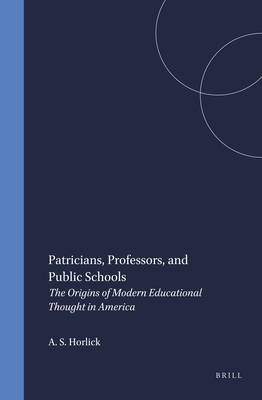
Patricians, Professors, and Public Schools argues that the thinking behind efforts to reform American schools in the late nineteenth and early twentieth centuries emphasized two new ideas--that economic growth and the opportunity it created were more limited than had earlier been thought, and that popular aspirations should be revised downward accordingly.
After discussing the thinking that reformers reacted against in the first chapter of the book, later chapters examine those most responsible for these new ideas, especially Felix Adler and John Dewey. These chapters argue that reformers' fears about the social dislocation stemming from economic growth makes the most sense of the educational redirection they promoted.
This is a new interpretation of developments that have long been debated by American historians, and should be of interest to a wide variety of readers.
After discussing the thinking that reformers reacted against in the first chapter of the book, later chapters examine those most responsible for these new ideas, especially Felix Adler and John Dewey. These chapters argue that reformers' fears about the social dislocation stemming from economic growth makes the most sense of the educational redirection they promoted.
This is a new interpretation of developments that have long been debated by American historians, and should be of interest to a wide variety of readers.
Specificaties
Betrokkenen
- Auteur(s):
- Uitgeverij:
Inhoud
- Aantal bladzijden:
- 276
- Taal:
- Engels
- Reeks:
- Reeksnummer:
- nr. 53
Eigenschappen
- Productcode (EAN):
- 9789004100541
- Verschijningsdatum:
- 1/04/1994
- Uitvoering:
- Hardcover
- Formaat:
- Genaaid
- Afmetingen:
- 165 mm x 239 mm
- Gewicht:
- 625 g


Alleen bij Standaard Boekhandel
+ 464 punten op je klantenkaart van Standaard Boekhandel
SOLDEN


Beoordelingen
We publiceren alleen reviews die voldoen aan de voorwaarden voor reviews. Bekijk onze voorwaarden voor reviews.