


- Afhalen na 1 uur in een winkel met voorraad
- Gratis thuislevering in België vanaf € 30
- Ruim aanbod met 7 miljoen producten
- Afhalen na 1 uur in een winkel met voorraad
- Gratis thuislevering in België vanaf € 30
- Ruim aanbod met 7 miljoen producten





€ 74,95
+ 149 punten
Omschrijving
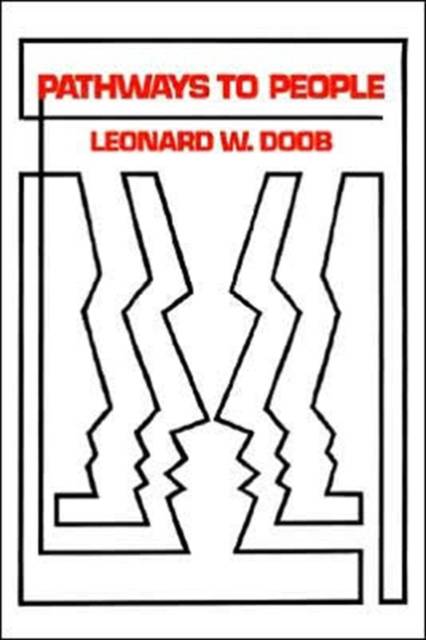
In this wide-ranging and fascinating book, Leonard Doob explores what we know about human action and interaction in order to show how people succeed or fail in their constant attempts to understand each other. He organizes our ways of knowing each other into two sorts of "pathways to people."
The first pathways are those that have been investigated by psychiatrists, psychologists, and social scientists. Mr. Doob offers a critical summary of our systematic knowledge in the area of what is sometimes called "person perception." By and large, he is dissatisfied with what we think we know, because too much of the research stems from a convenient, but not typical, sample of mankind - the college student. The second set of pathways are those intended to improve judgment or avoid error, and they come not only from the scientific disciplines but also from the humanities, along with common sense. Together, the pathways constitute the factors or variables that determine how and why human judgments are made - and how they should be made.
The exposition is occasionally interrupted by a devil's advocate offering lively and cutting criticism of what is being said. In this manner, Leonard Doob opens another pathway - between reader and author - which makes reading this book a rich and provocative experience.
The first pathways are those that have been investigated by psychiatrists, psychologists, and social scientists. Mr. Doob offers a critical summary of our systematic knowledge in the area of what is sometimes called "person perception." By and large, he is dissatisfied with what we think we know, because too much of the research stems from a convenient, but not typical, sample of mankind - the college student. The second set of pathways are those intended to improve judgment or avoid error, and they come not only from the scientific disciplines but also from the humanities, along with common sense. Together, the pathways constitute the factors or variables that determine how and why human judgments are made - and how they should be made.
The exposition is occasionally interrupted by a devil's advocate offering lively and cutting criticism of what is being said. In this manner, Leonard Doob opens another pathway - between reader and author - which makes reading this book a rich and provocative experience.
Specificaties
Betrokkenen
- Auteur(s):
- Uitgeverij:
Inhoud
- Aantal bladzijden:
- 344
- Taal:
- Engels
Eigenschappen
- Productcode (EAN):
- 9780300105506
- Verschijningsdatum:
- 10/09/1975
- Uitvoering:
- Paperback
- Formaat:
- Trade paperback (VS)
- Afmetingen:
- 152 mm x 229 mm
- Gewicht:
- 503 g


Alleen bij Standaard Boekhandel
+ 149 punten op je klantenkaart van Standaard Boekhandel
Cadeau

AANGERADEN


Beoordelingen
We publiceren alleen reviews die voldoen aan de voorwaarden voor reviews. Bekijk onze voorwaarden voor reviews.