


- Afhalen na 1 uur in een winkel met voorraad
- Gratis thuislevering in België vanaf € 30
- Ruim aanbod met 7 miljoen producten
- Afhalen na 1 uur in een winkel met voorraad
- Gratis thuislevering in België vanaf € 30
- Ruim aanbod met 7 miljoen producten





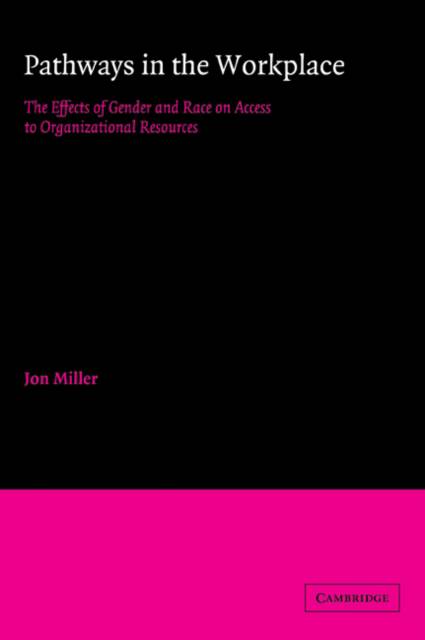
Pathways in the Workplace
The Effects of Gender and Race on Access to Organizational Resources
Jon Miller, Miller Jon
€ 60,95
+ 121 punten
Uitvoering
Omschrijving
Rationalistic theories of the workplace and the claims typically made by organizations stress that an individual's access to the resources and advantages of an organization are determined by his or her qualifications and contributions to the collective enterprise, and that the payoffs for effort are essentially the same for all doing similar work. However, as Jon Miller shows in this book, negotiating for workplace rewards is actually far more complicated than this model allows, and he demonstrates that access to networks of organizational communication is in fact fundamentally influenced by race and gender. Comparing patterns of access to informal colleague networks and relations to the decision-making apparatus for white and non-white men and women in American public service organizations, he shows that only white males experienced a fairly close correspondence between their bureaucratic 'investments' and their workplace rewards.
Specificaties
Betrokkenen
- Auteur(s):
- Uitgeverij:
Inhoud
- Aantal bladzijden:
- 132
- Taal:
- Engels
- Reeks:
Eigenschappen
- Productcode (EAN):
- 9780521032384
- Verschijningsdatum:
- 14/12/2006
- Uitvoering:
- Paperback
- Formaat:
- Trade paperback (VS)
- Afmetingen:
- 152 mm x 229 mm
- Gewicht:
- 204 g


Alleen bij Standaard Boekhandel
+ 121 punten op je klantenkaart van Standaard Boekhandel
Cadeau

AANGERADEN


Beoordelingen
We publiceren alleen reviews die voldoen aan de voorwaarden voor reviews. Bekijk onze voorwaarden voor reviews.