Standaard Boekhandel gebruikt cookies en gelijkaardige technologieën om de website goed te laten werken en je een betere surfervaring te bezorgen.
Hieronder kan je kiezen welke cookies je wilt inschakelen:
Technische en functionele cookies
Deze cookies zijn essentieel om de website goed te laten functioneren, en laten je toe om bijvoorbeeld in te loggen. Je kan deze cookies niet uitschakelen.
Analytische cookies
Deze cookies verzamelen anonieme informatie over het gebruik van onze website. Op die manier kunnen we de website beter afstemmen op de behoeften van de gebruikers.
Marketingcookies
Deze cookies delen je gedrag op onze website met externe partijen, zodat je op externe platformen relevantere advertenties van Standaard Boekhandel te zien krijgt.
Je cadeautjes zeker op tijd in huis hebben voor de feestdagen? Kom langs in onze winkels en vind het perfecte geschenk!
Afhalen na 1 uur in een winkel met voorraad
Gratis thuislevering in België vanaf € 30
Ruim aanbod met 7 miljoen producten
Je cadeautjes zeker op tijd in huis hebben voor de feestdagen? Kom langs in onze winkels en vind het perfecte geschenk!
Je kan maximaal 250 producten tegelijk aan je winkelmandje toevoegen. Verwijdere enkele producten uit je winkelmandje, of splits je bestelling op in meerdere bestellingen.
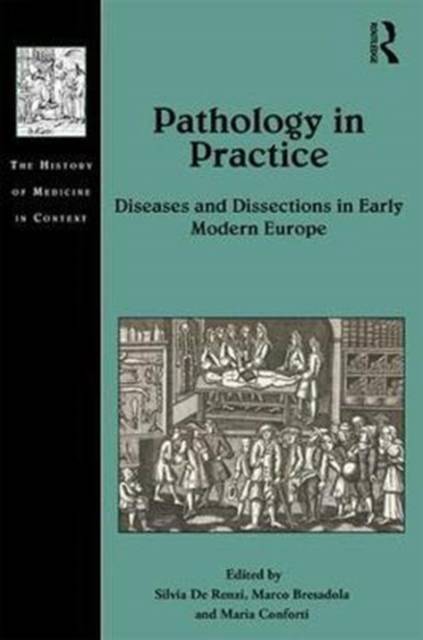
Post-mortems may have become a staple of our TV viewing, but the long history of this practice is still little known. This book provides a fresh account of the dissections that took place across early modern Europe on those who had died of a disease or in unclear circumstances. Drawing on different approaches and on sources as varied as notes taken at the dissection table, legal records and learned publications, the chapters explore how autopsies informed the understanding of pathology of all those involved. With a broad geography, including Rome, Amsterdam and Geneva, the book recaptures the lost worlds of physicians, surgeons, patients, families and civic authorities as they used corpses to understand diseases and make sense of suffering. The evidence from post-mortems was not straightforward, but between 1500 and 1750 medical practitioners rose to the challenge, proposing various solutions to the difficulties they encountered and creating a remarkable body of knowledge. The book shows the scope and diversity of this tradition and how laypeople contributed their knowledge and expectations to the wide-ranging exchanges stimulated by the opening of bodies.