


- Afhalen na 1 uur in een winkel met voorraad
- Gratis thuislevering in België vanaf € 30
- Ruim aanbod met 7 miljoen producten
- Afhalen na 1 uur in een winkel met voorraad
- Gratis thuislevering in België vanaf € 30
- Ruim aanbod met 7 miljoen producten





€ 99,95
+ 199 punten
Omschrijving
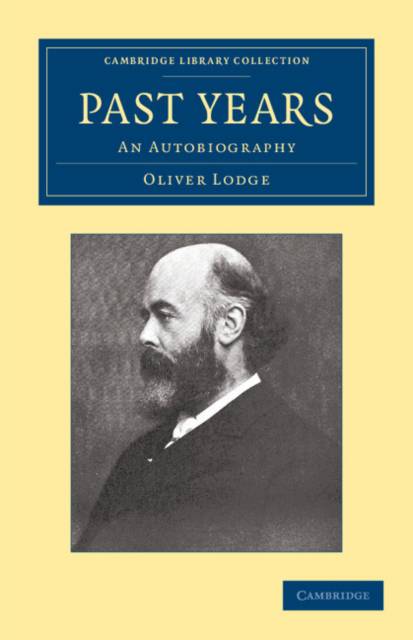
Sir Oliver Lodge (1851-1940) was a physicist instrumental in the discovery of electromagnetic waves: the basis of today's radio and X-ray technology. He came from humble beginnings. After suffering at the hands of violent masters and schoolmates during his childhood, Lodge went on to teach physics and chemistry to young women at Bedford College in London. Later, he was appointed professor of physics at the University of Liverpool, and became known for his public lectures on a vast range of topics, from the comic faults of phonographs to the medical applications of X-rays. Whether seeing the cells of a voltaic battery in a pile of plates or appreciating the enunciation of Alexander Graham Bell, Lodge had a warm enthusiasm that shines through in this touching autobiography, first published in 1931. It remains ideal for general readers as well as students in the history of science.
Specificaties
Betrokkenen
- Auteur(s):
- Uitgeverij:
Inhoud
- Aantal bladzijden:
- 396
- Taal:
- Engels
- Reeks:
Eigenschappen
- Productcode (EAN):
- 9781108052702
- Verschijningsdatum:
- 12/07/2012
- Uitvoering:
- Paperback
- Formaat:
- Trade paperback (VS)
- Afmetingen:
- 140 mm x 216 mm
- Gewicht:
- 498 g


Alleen bij Standaard Boekhandel
+ 199 punten op je klantenkaart van Standaard Boekhandel
Cadeau

AANGERADEN


Beoordelingen
We publiceren alleen reviews die voldoen aan de voorwaarden voor reviews. Bekijk onze voorwaarden voor reviews.