


- Afhalen na 1 uur in een winkel met voorraad
- Gratis thuislevering in België vanaf € 30
- Ruim aanbod met 7 miljoen producten
- Afhalen na 1 uur in een winkel met voorraad
- Gratis thuislevering in België vanaf € 30
- Ruim aanbod met 7 miljoen producten




€ 56,45
+ 112 punten
Omschrijving
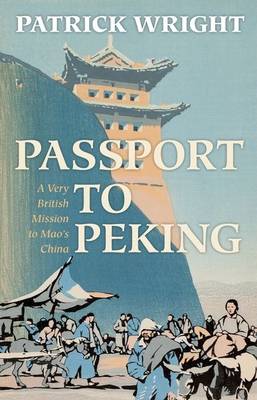
In 1954, eighteen years before Nixon's momentous visit to China, scores of European delegations set off for Beijing, in response to Prime Minister Chou En-Lai's invitation to "come and see" the New China and to celebrate the fifth anniversary of the Communist victory. In this delightfully eclectic book--part comedy, part travelogue, and part cultural history--Patrick Wright tells the story of the remarkable Britons who made this journey, including former Prime Minister Clement Attlee; dapper and self-important philosopher A. J. Ayer; the brilliant young artist-reporter Paul Hogarth; poet and novelist Rex Warner (a former Marxist who had just married a Rothschild); and the infuriatingly self-obsessed Stanley Spencer, who emerges as the unlikely hero of the story. Using a host of previously unpublished letters and diaries, Wright captures the impressions--both mistaken and genuinely insightful--of the delegates as they wandered behind the bamboo curtain. Full of comic detail, this book is also a study of China as it has loomed in the British mind: as both the primitive orient of early western philosophy and the alluring site of revolutionary transformation.
Specificaties
Betrokkenen
- Auteur(s):
- Uitgeverij:
Inhoud
- Aantal bladzijden:
- 624
- Taal:
- Engels
Eigenschappen
- Productcode (EAN):
- 9780199541935
- Verschijningsdatum:
- 28/11/2010
- Uitvoering:
- Hardcover
- Formaat:
- Ongenaaid / garenloos gebonden
- Afmetingen:
- 155 mm x 234 mm
- Gewicht:
- 1043 g


Alleen bij Standaard Boekhandel
+ 112 punten op je klantenkaart van Standaard Boekhandel
Cadeau

AANGERADEN


Beoordelingen
We publiceren alleen reviews die voldoen aan de voorwaarden voor reviews. Bekijk onze voorwaarden voor reviews.