


- Afhalen na 1 uur in een winkel met voorraad
- Gratis thuislevering in België vanaf € 30
- Ruim aanbod met 7 miljoen producten
- Afhalen na 1 uur in een winkel met voorraad
- Gratis thuislevering in België vanaf € 30
- Ruim aanbod met 7 miljoen producten





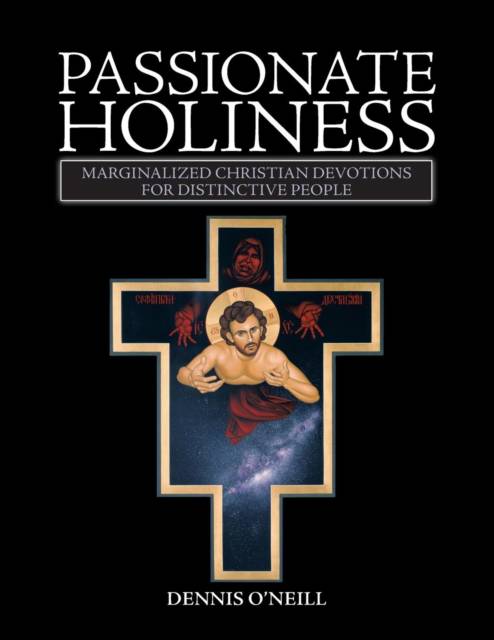
Passionate Holiness
Marginalized Christian Devotions for Distinctive Peoples
Dennis O'Neill
Paperback | Engels
€ 40,45
+ 80 punten
Omschrijving
Archbishop Desmond Tutu of Cape Town once said with regard to South Africa's apartheid policy, "One of the ways of helping to destroy a people is to tell them that they don't have a history, that they have no roots." More recently, he described homophobic discrimination as "totally unacceptable and unjust as apartheid ever was." Unfortunately, it has been particularly difficult for some gay, lesbian, bisexual, and trans-gendered Christians to remain connected with and to identify with their own faith traditions because some of these traditions not only treat them as people of secondary status but teach Christian history as though no people of same-gender attraction or opposite-gender identity had any noteworthy place in it and made no significant contributions at all to Christian tradition. Passionate Holiness tries to remedy this situation by explaining why acquaintance with the stories of certain saints with whom gender minorities can identify can help them to connect with their own history and spiritual legacy and empower them to face a brighter future with a sense of optimism and inclusion.
Specificaties
Betrokkenen
- Auteur(s):
- Uitgeverij:
Inhoud
- Aantal bladzijden:
- 130
- Taal:
- Engels
Eigenschappen
- Productcode (EAN):
- 9781490789934
- Verschijningsdatum:
- 20/09/2018
- Uitvoering:
- Paperback
- Formaat:
- Trade paperback (VS)
- Afmetingen:
- 216 mm x 279 mm
- Gewicht:
- 421 g


Alleen bij Standaard Boekhandel
+ 80 punten op je klantenkaart van Standaard Boekhandel
Cadeau

AANGERADEN


Beoordelingen
We publiceren alleen reviews die voldoen aan de voorwaarden voor reviews. Bekijk onze voorwaarden voor reviews.