



Bedankt voor het vertrouwen het afgelopen jaar! Om jou te bedanken bieden we GRATIS verzending (in België) aan op alles gedurende de hele maand januari.
- Afhalen na 1 uur in een winkel met voorraad
- In januari gratis thuislevering in België
- Ruim aanbod met 7 miljoen producten
Bedankt voor het vertrouwen het afgelopen jaar! Om jou te bedanken bieden we GRATIS verzending (in België) aan op alles gedurende de hele maand januari.
- Afhalen na 1 uur in een winkel met voorraad
- In januari gratis thuislevering in België
- Ruim aanbod met 7 miljoen producten





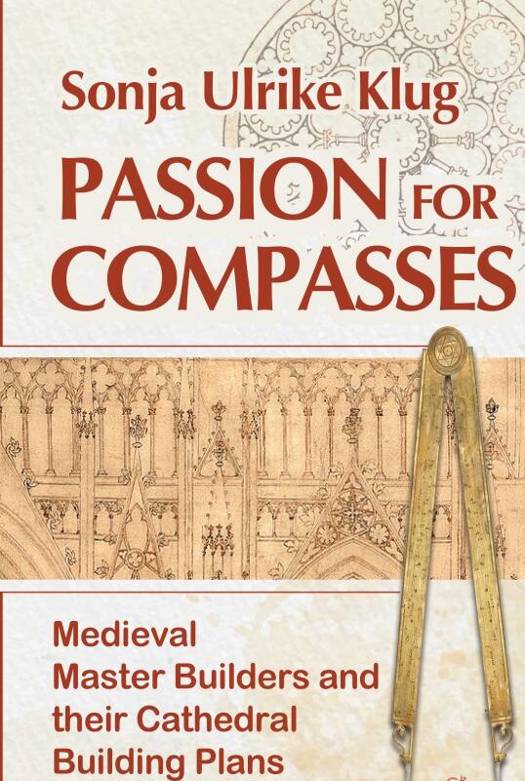
Passion for Compasses
Medieval Master Builders and their Cathedral Building Plans
Sonja Ulrike Klug
Hardcover | Engels
€ 39,99
+ 79 punten
Omschrijving
The architectural history of the Middle Ages is full of surprises
It is hard to imagine today that relatively few construction plans have been found for the impressive churches and cathedrals of the Romanesque and Gothic periods. Where did most of the drawings go? Were the plans destroyed or lost over time? Or were they never made at all? Although there were very few architectural drawings, there were numerous compasses. What were they used for and how? Was it possible to design complex buildings such as churches and cathedrals without blueprints?
The author takes the readers on an exciting cultural and historical journey through time
She looks at the spread of papyrus, parchment and paper and traces the ability to write and calculate in Europe. She also looks at the construction process in historical illustrations and draws comparisons with Arabic architecture. Finally, the author presents the various types of compasses that were available and explains how the drawing skills of master builders developed.
These insights into the history of architecture lead to some surprising discoveries: Medieval architects thought and planned very differently than we do today.
It is hard to imagine today that relatively few construction plans have been found for the impressive churches and cathedrals of the Romanesque and Gothic periods. Where did most of the drawings go? Were the plans destroyed or lost over time? Or were they never made at all? Although there were very few architectural drawings, there were numerous compasses. What were they used for and how? Was it possible to design complex buildings such as churches and cathedrals without blueprints?
The author takes the readers on an exciting cultural and historical journey through time
She looks at the spread of papyrus, parchment and paper and traces the ability to write and calculate in Europe. She also looks at the construction process in historical illustrations and draws comparisons with Arabic architecture. Finally, the author presents the various types of compasses that were available and explains how the drawing skills of master builders developed.
These insights into the history of architecture lead to some surprising discoveries: Medieval architects thought and planned very differently than we do today.
Specificaties
Betrokkenen
- Auteur(s):
- Uitgeverij:
Inhoud
- Aantal bladzijden:
- 231
- Taal:
- Engels
Eigenschappen
- Productcode (EAN):
- 9789403793955
- Verschijningsdatum:
- 15/04/2025
- Uitvoering:
- Hardcover


Alleen bij Standaard Boekhandel
+ 79 punten op je klantenkaart van Standaard Boekhandel
SOLDEN


Beoordelingen
We publiceren alleen reviews die voldoen aan de voorwaarden voor reviews. Bekijk onze voorwaarden voor reviews.