


- Afhalen na 1 uur in een winkel met voorraad
- Gratis thuislevering in België vanaf € 30
- Ruim aanbod met 7 miljoen producten
- Afhalen na 1 uur in een winkel met voorraad
- Gratis thuislevering in België vanaf € 30
- Ruim aanbod met 7 miljoen producten





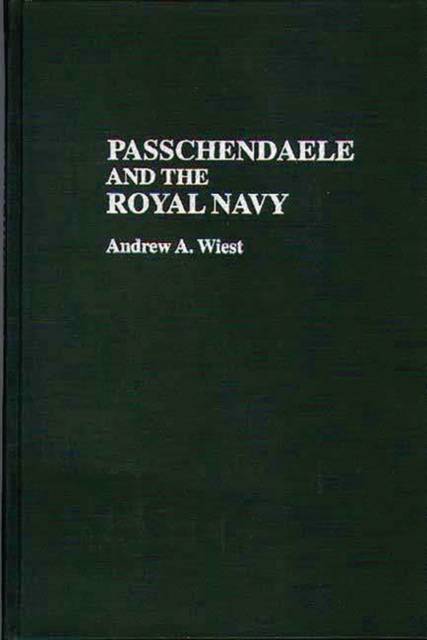
Passchendaele and the Royal Navy
Andrew A Wiest
€ 169,95
+ 339 punten
Omschrijving
There are two competitive views of Passchendaele and its commander, Sir Douglas Haig. One school contends that the battle was a very costly failure and that Sir Douglas Haig, the architect of the battle, was a blundering murderer. A second school of thought argues that Passchendaele was in many ways a success and that Haig learned much during the campaign and went on to put his learning to good use during the victorious offensive of 1918. This study removes some of the blame for the failure from Haig by examining the involvement of the Royal Navy in the planning and prosecution of the campaign. Documentary evidence demonstrates that the actions of the Admiralty were decisive in attracting the attention of the army to Flanders and in gaining approval for the battle itself. The Admiralty had a hitherto unknown effect on the prosecution of the battle. The fact that the British fought the battle for the wrong reasons and that the army on the coast waited while soldiers at Passchendaele died raises Passchendaele to an even higher plane of tragedy.
Specificaties
Betrokkenen
- Auteur(s):
- Uitgeverij:
Inhoud
- Aantal bladzijden:
- 232
- Taal:
- Engels
- Reeks:
- Reeksnummer:
- nr. 15
Eigenschappen
- Productcode (EAN):
- 9780313290480
- Verschijningsdatum:
- 23/03/1995
- Uitvoering:
- Hardcover
- Formaat:
- Genaaid
- Afmetingen:
- 156 mm x 244 mm
- Gewicht:
- 539 g


Alleen bij Standaard Boekhandel
+ 339 punten op je klantenkaart van Standaard Boekhandel
Cadeau

AANGERADEN


Beoordelingen
We publiceren alleen reviews die voldoen aan de voorwaarden voor reviews. Bekijk onze voorwaarden voor reviews.