


- Afhalen na 1 uur in een winkel met voorraad
- Gratis thuislevering in België vanaf € 30
- Ruim aanbod met 7 miljoen producten
- Afhalen na 1 uur in een winkel met voorraad
- Gratis thuislevering in België vanaf € 30
- Ruim aanbod met 7 miljoen producten





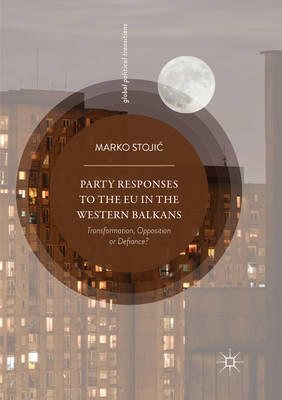
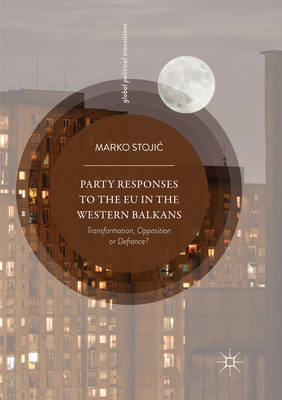
Party Responses to the EU in the Western Balkans
Transformation, Opposition or Defiance?
Marko Stojic
€ 108,45
+ 216 punten
Uitvoering
Omschrijving
It provides a comprehensive analysis of how political parties in these countries have determined and shifted their positions on the EU, by exploring the effect and interaction of party ideology and strategy, position within the party system, relations with the general public and voters as well as transnational party linkages.
Specificaties
Betrokkenen
- Auteur(s):
- Uitgeverij:
Inhoud
- Aantal bladzijden:
- 291
- Taal:
- Engels
- Reeks:
Eigenschappen
- Productcode (EAN):
- 9783319866512
- Verschijningsdatum:
- 10/08/2018
- Uitvoering:
- Paperback
- Afmetingen:
- 148 mm x 16 mm
- Gewicht:
- 400 g


Alleen bij Standaard Boekhandel
+ 216 punten op je klantenkaart van Standaard Boekhandel
Cadeau

AANGERADEN


Beoordelingen
We publiceren alleen reviews die voldoen aan de voorwaarden voor reviews. Bekijk onze voorwaarden voor reviews.