


- Afhalen na 1 uur in een winkel met voorraad
- Gratis thuislevering in België vanaf € 30
- Ruim aanbod met 7 miljoen producten
- Afhalen na 1 uur in een winkel met voorraad
- Gratis thuislevering in België vanaf € 30
- Ruim aanbod met 7 miljoen producten





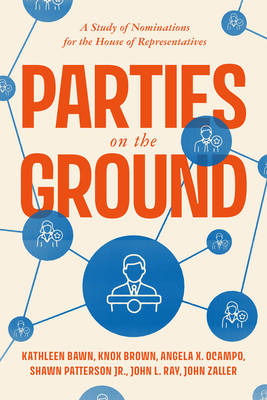
Parties on the Ground
A Study of Nominations for the House of Representatives
Kathleen Bawn, Knox Brown, Angela X Ocampo, Shawn Patterson Jr, John L Ray, John Zaller
€ 37,95
+ 75 punten
Omschrijving
A close-up examination of the roots of congressional politics in nominations for the House of Representatives.
With most House seats all but guaranteed for one party in general elections, primary elections for party nominees often decide who goes to Congress. Yet primaries are notoriously difficult to study, due in part to both the variety of rules that govern them and the differences in the influence of local leaders. Based on wide-ranging evidence from field interviews to fundraising data to exit polls, Parties on the Ground overcomes these challenges to take readers under the hood for an in-depth look at the nomination process. Although progressive reformers sought the adoption of primaries to empower voters' control over nominations, Parties on the Ground finds that most voters pay too little attention to make use of the opportunity. Instead, the most important actors are intense policy demanders--such as interest groups and activist organizations--who supply campaign resources to some candidates and deny them to others. These groups care most about securing an agent for their own interests and values; to this end, they put serious effort into vetting candidates and often coordinate among themselves or with local parties in support of their choices. At the same time, competition between establishment and insurgent groups can be high, especially in the Republican Party. Developing a nuanced account of House nominations in today's parties, Parties on the Ground offers a host of new insights into this understudied but significant piece of the puzzle of American politics.Specificaties
Betrokkenen
- Auteur(s):
- Uitgeverij:
Inhoud
- Aantal bladzijden:
- 368
- Taal:
- Engels
- Reeks:
Eigenschappen
- Productcode (EAN):
- 9780226853338
- Verschijningsdatum:
- 28/09/2026
- Uitvoering:
- Paperback
- Formaat:
- Trade paperback (VS)
- Afmetingen:
- 152 mm x 229 mm
- Gewicht:
- 453 g


Alleen bij Standaard Boekhandel
+ 75 punten op je klantenkaart van Standaard Boekhandel
Cadeau

AANGERADEN


Beoordelingen
We publiceren alleen reviews die voldoen aan de voorwaarden voor reviews. Bekijk onze voorwaarden voor reviews.