


- Afhalen na 1 uur in een winkel met voorraad
- Gratis thuislevering in België vanaf € 30
- Ruim aanbod met 7 miljoen producten
- Afhalen na 1 uur in een winkel met voorraad
- Gratis thuislevering in België vanaf € 30
- Ruim aanbod met 7 miljoen producten





Omschrijving
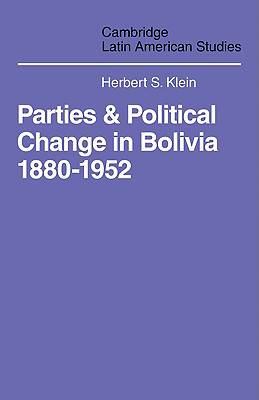
In 1952 Bolivia experienced a profound social, economic and political revolution, one of the very few such revolutions which have occurred in Latin America. As Professor Klein points out, the remarkable fact about the Bolivian National Revolution was that it occurred at all. In terms of political, economic and social development Bolivia was one of the most retarded states of the continent and was not particularly riven by rapid or dislocating social and economic change. In this detailed study, Professor Klein stresses the origins and development of the Bolivian political system as it evolved into a stable two-party regime in the nineteenth and early twentieth centuries. He then analyses the causes which led to the mutation of this system and the rise of class politics and social revolutionary movements in the middle decades of this century.
Specificaties
Betrokkenen
- Auteur(s):
- Uitgeverij:
Inhoud
- Aantal bladzijden:
- 468
- Taal:
- Engels
- Reeks:
- Reeksnummer:
- nr. 5
Eigenschappen
- Productcode (EAN):
- 9780521102018
- Verschijningsdatum:
- 11/12/2008
- Uitvoering:
- Paperback
- Formaat:
- Trade paperback (VS)
- Afmetingen:
- 140 mm x 216 mm
- Gewicht:
- 589 g


Alleen bij Standaard Boekhandel
+ 121 punten op je klantenkaart van Standaard Boekhandel
AANGERADEN


Beoordelingen
We publiceren alleen reviews die voldoen aan de voorwaarden voor reviews. Bekijk onze voorwaarden voor reviews.