


- Afhalen na 1 uur in een winkel met voorraad
- Gratis thuislevering in België vanaf € 30
- Ruim aanbod met 7 miljoen producten
- Afhalen na 1 uur in een winkel met voorraad
- Gratis thuislevering in België vanaf € 30
- Ruim aanbod met 7 miljoen producten





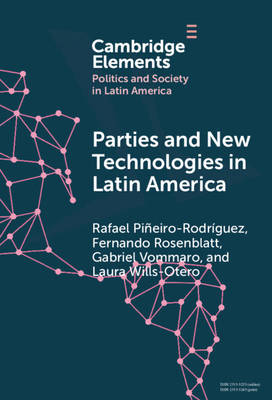
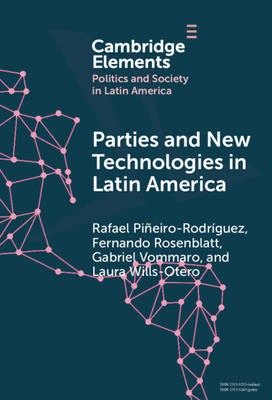
Parties and New Technologies in Latin America
Rafael Piñeiro Rodríguez, Fernando Rosenblatt, Gabriel Vommaro
€ 112,95
+ 225 punten
Uitvoering
Omschrijving
This Element analyzes the incorporation of new information and communication technologies (ICTs) by different parties in Latin America to organize volunteers and mobilize supporters during elections. It assesses ICT-related changes in how parties recruit prospective candidates, collect information about citizens' preferences, and mobilize for elections and how these changes have reduced the power of the rank and file within party organizations. Party leaders have an incentive to incorporate new ICTs to increase electoral efficacy and reduce the role of rank-and-file members in performing essential party functions. However, the result of the incorporation of technology depends on leaders' capacity to control the process within the party. Based on case studies of ICT incorporation by various Latin American parties and electoral campaigns, the authors posit that the incorporation of technology will consolidate a power dynamic that predates the adoption of ICTs to fulfill organizational functions.
Specificaties
Betrokkenen
- Auteur(s):
- Uitgeverij:
Inhoud
- Aantal bladzijden:
- 78
- Taal:
- Engels
- Reeks:
Eigenschappen
- Productcode (EAN):
- 9781009623049
- Verschijningsdatum:
- 9/01/2025
- Uitvoering:
- Hardcover
- Formaat:
- Genaaid
- Afmetingen:
- 152 mm x 229 mm
- Gewicht:
- 276 g


Alleen bij Standaard Boekhandel
+ 225 punten op je klantenkaart van Standaard Boekhandel
AANGERADEN


Beoordelingen
We publiceren alleen reviews die voldoen aan de voorwaarden voor reviews. Bekijk onze voorwaarden voor reviews.