


- Afhalen na 1 uur in een winkel met voorraad
- Gratis thuislevering in België vanaf € 30
- Ruim aanbod met 7 miljoen producten
- Afhalen na 1 uur in een winkel met voorraad
- Gratis thuislevering in België vanaf € 30
- Ruim aanbod met 7 miljoen producten





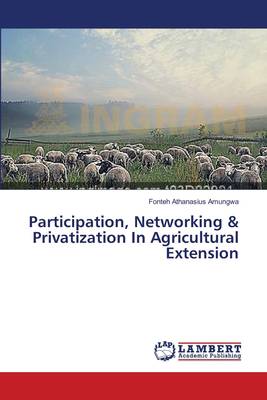
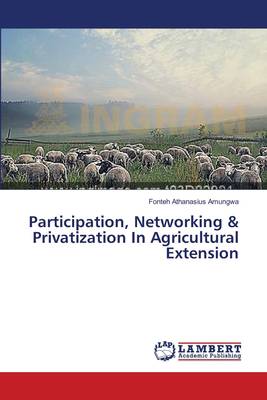
Participation, Networking & Privatization In Agricultural Extension
Fonteh Athanasius Amungwa
Paperback | Engels
€ 88,45
+ 176 punten
Omschrijving
In recent years the scope of agricultural extension has broadened from a traditional public sector responsibility to one that involves several service providers. In the light of that development this book examines the nature and level of participation, networking and privatization on the management, organization and operational aspects of agricultural extension services in Cameroon. It examines the sources of pressure and impact of these organizational changes in extension against the constantly renewed efforts of farmers, the government and non-governmental organizations to adopt innovations that can ensure an increase in agricultural output. Participation, networking and privatization represent a perspective in the debate over how extension services should be organized to respond effectively to client needs and changing economic circumstances. Providing advisory services in a manner farmers can utilize to improve farm practices and living conditions, constitutes an essential input in modern agriculture. Current trends call for the collective analysis of problems and increased use of information technology in support of extension and privatization in lucrative areas to farmers.
Specificaties
Betrokkenen
- Auteur(s):
- Uitgeverij:
Inhoud
- Aantal bladzijden:
- 200
- Taal:
- Engels
Eigenschappen
- Productcode (EAN):
- 9783659368950
- Verschijningsdatum:
- 4/03/2014
- Uitvoering:
- Paperback
- Afmetingen:
- 150 mm x 220 mm
- Gewicht:
- 299 g


Alleen bij Standaard Boekhandel
+ 176 punten op je klantenkaart van Standaard Boekhandel
AANGERADEN


Beoordelingen
We publiceren alleen reviews die voldoen aan de voorwaarden voor reviews. Bekijk onze voorwaarden voor reviews.