


- Afhalen na 1 uur in een winkel met voorraad
- Gratis thuislevering in België vanaf € 30
- Ruim aanbod met 7 miljoen producten
- Afhalen na 1 uur in een winkel met voorraad
- Gratis thuislevering in België vanaf € 30
- Ruim aanbod met 7 miljoen producten





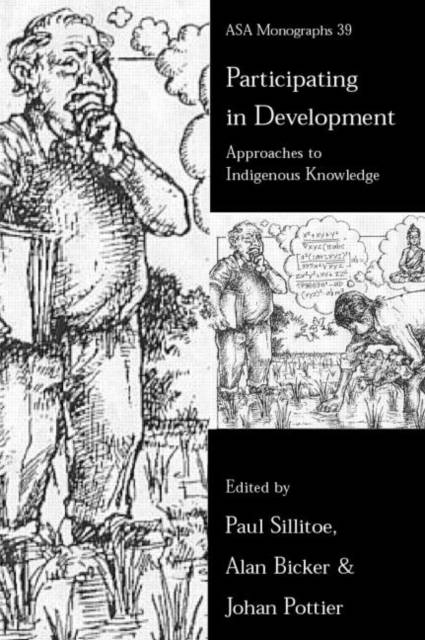
Participating in Development
Approaches to Indigenous Knowledge
€ 97,95
+ 195 punten
Omschrijving
Development has too often failed to deliver on its promises to poor nations. The policies imposed from above by international agencies and state bodies have frequently not met the needs and aspirations of ordinary people. Development agencies have been searching for sometime for alternative approaches. One of those being pioneered is 'indigenous knowledge', which aims to make local voices heard more effectively. However while it is increasingly acknowledged in development contexts, it is yet to be validated and accepted by anthropologists. It is self-evident to any anthropologist that effective development assistance will benefit from some understanding of local knowledge and practices. This therefore puts anthropology and anthropologists at the centre of development. This volume focuses on two major issues that anthropology might profitably address. First of all how to define indigenous knowledge and who should define it as it currently lacks disciplinary coherence. Secondly once this definition is achieved what methodologies should be used in such an interdisciplinary research endeavour when it must meet the demands of development (cost- and time-effective, intelligible to non-experts) while not compromising anthropological expectations. The new opportunities and their methodological implications are addressed in the chapters of this book in a range of ethnographic and institutional contexts and demonstrate how wide-reaching and how crucially important this debate has become. Participating in Development is a thought provoking and challenge collection. Its authors both define and validate the role of the anthropologist in development as well of development in anthropology.
Specificaties
Betrokkenen
- Uitgeverij:
Inhoud
- Aantal bladzijden:
- 286
- Taal:
- Engels
- Reeks:
- Reeksnummer:
- nr. 34
Eigenschappen
- Productcode (EAN):
- 9780415258692
- Verschijningsdatum:
- 4/07/2002
- Uitvoering:
- Paperback
- Formaat:
- Trade paperback (VS)
- Afmetingen:
- 156 mm x 238 mm
- Gewicht:
- 426 g


Alleen bij Standaard Boekhandel
+ 195 punten op je klantenkaart van Standaard Boekhandel
Cadeau

AANGERADEN


Beoordelingen
We publiceren alleen reviews die voldoen aan de voorwaarden voor reviews. Bekijk onze voorwaarden voor reviews.