



- Afhalen na 1 uur in een winkel met voorraad
- In januari gratis thuislevering in België
- Ruim aanbod met 7 miljoen producten
- Afhalen na 1 uur in een winkel met voorraad
- In januari gratis thuislevering in België
- Ruim aanbod met 7 miljoen producten





€ 83,45
+ 166 punten
Omschrijving
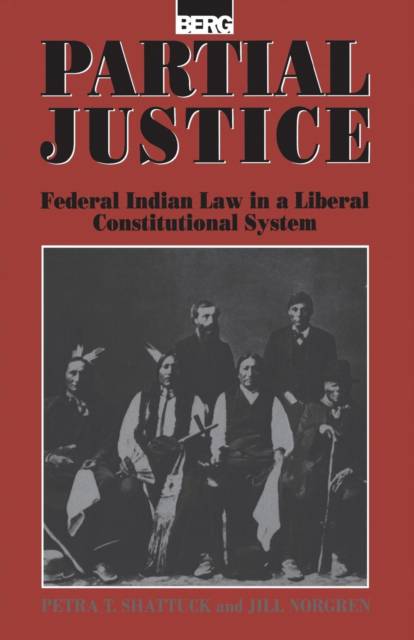
Should the law be praised or cursed for what it has done to the American Indian?Using American legal history, politics and jurisprudence, this study considers the degree to which American courts have maintained their autonomy and withstood political pressure, when the sovereignty and property rights of Native American tribes were at issue.In 1879, a chief of the Ponca tribe, when released from military custody by an order of a U.S. district court, pronounced the use of law "a better way" to redress Indian grievances. This study explores the development of legal doctrine affecting Native American tribes by courts and commissions in the United States beginning with seminal court cases of the early 19th century and continuing through to the 1980's. Whether the law ever was a better way for Native Americans is a question of fundamental importance not only with regard to the rights - or even the survival - of American Indian tribes but also with respect to the claim of the American legal system to be equally fair and just to all groups in society regardless of their economic and political power.
Specificaties
Betrokkenen
- Auteur(s):
- Uitgeverij:
Inhoud
- Aantal bladzijden:
- 256
- Taal:
- Engels
- Reeks:
Eigenschappen
- Productcode (EAN):
- 9780854963423
- Verschijningsdatum:
- 1/01/1992
- Uitvoering:
- Paperback
- Formaat:
- Trade paperback (VS)
- Afmetingen:
- 137 mm x 215 mm
- Gewicht:
- 263 g


Alleen bij Standaard Boekhandel
+ 166 punten op je klantenkaart van Standaard Boekhandel
Cadeau

AANGERADEN


Beoordelingen
We publiceren alleen reviews die voldoen aan de voorwaarden voor reviews. Bekijk onze voorwaarden voor reviews.