



- Afhalen na 1 uur in een winkel met voorraad
- In januari gratis thuislevering in België
- Ruim aanbod met 7 miljoen producten
- Afhalen na 1 uur in een winkel met voorraad
- In januari gratis thuislevering in België
- Ruim aanbod met 7 miljoen producten





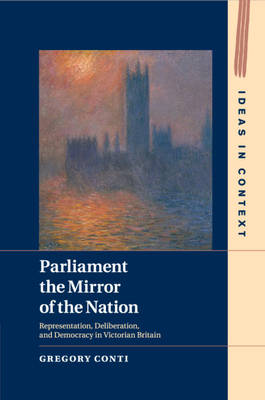
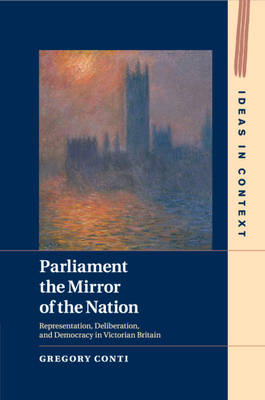
Parliament the Mirror of the Nation
Representation, Deliberation, and Democracy in Victorian Britain
Gregory Conti
€ 72,45
+ 144 punten
Uitvoering
Omschrijving
The notion of 'representative democracy' seems unquestionably familiar today, but how did the Victorian era - the epoch when the modern democratic state was made - understand democracy, parliamentary representation, and diversity? In the famous nineteenth-century debates about representation and parliamentary reform, two interlocked ideals were of the greatest importance: descriptive representation, that the House of Commons 'mirror' the diversity that marked society, and deliberation within the legislative assembly. These ideals presented a major obstacle to the acceptance of a democratic suffrage, which it was widely feared would produce an unrepresentative and un-deliberative House of Commons. Here, Gregory Conti examines how the Victorians conceived the representative and deliberative functions of the House of Commons and what it meant for parliament to be the 'mirror of the nation'. Combining historical analysis and political theory, he analyses the fascinating nineteenth-century debates among contending schools of thought over the norms and institutions of deliberative representative government, and explores the consequences of recovering this debate.
Specificaties
Betrokkenen
- Auteur(s):
- Uitgeverij:
Inhoud
- Aantal bladzijden:
- 432
- Taal:
- Engels
- Reeks:
- Reeksnummer:
- nr. 119
Eigenschappen
- Productcode (EAN):
- 9781108450959
- Verschijningsdatum:
- 16/01/2020
- Uitvoering:
- Paperback
- Formaat:
- Trade paperback (VS)
- Afmetingen:
- 152 mm x 229 mm
- Gewicht:
- 576 g


Alleen bij Standaard Boekhandel
+ 144 punten op je klantenkaart van Standaard Boekhandel
Cadeau

AANGERADEN


Beoordelingen
We publiceren alleen reviews die voldoen aan de voorwaarden voor reviews. Bekijk onze voorwaarden voor reviews.