


- Afhalen na 1 uur in een winkel met voorraad
- Gratis thuislevering in België vanaf € 30
- Ruim aanbod met 7 miljoen producten
- Afhalen na 1 uur in een winkel met voorraad
- Gratis thuislevering in België vanaf € 30
- Ruim aanbod met 7 miljoen producten





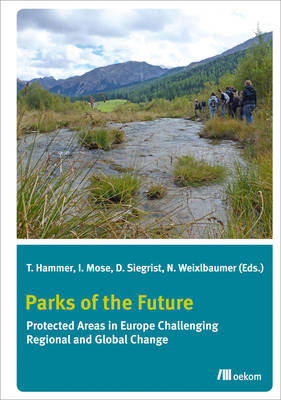
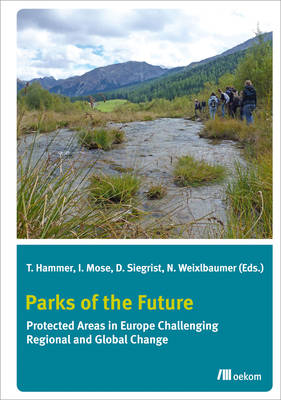
Parks of the Future
Protected Areas in Europe Challenging Regional and Global Change
Thomas Hammer, Ingo Mose, Dominik Siegrist, Norbert Weixlbaumer
Paperback | Engels, Duits
€ 32,43
+ 64 punten
Omschrijving
Climate change, declines in biodiversity, increasing consumption of resources, urbanisation, urban sprawl and demographic change continue to challenge the regions of Europe. In response to these processes of regional and global change, there has been an unmistakeable boom in parks in Europe since the 1990s. More than a fifth of the continent is now protected using designations such as regional nature parks, national parks, UNESCO Biosphere Reserves and World Heritage sites. The responsibilities of these areas are usually diverse and, in addition to nature protection and the conservation of cultural landscapes, increasingly involve the promotion of sustainable development.In the 22 chapters of this volume, 28 authors from all over Europe analyse and comment on experiences of tackling the challenges of regional and global change in parks. They illustrate discussions with selected case studies and deal with key issues of current protected area policy: How do parks address the pending challenges and what successes have they had thus far? What pioneering approaches are there in spatial planning and regional development? Which forms of park management and governance are most promising?This informative and well-illustrated book also considers which tasks will be assumed by parks in the future and what roles parks may play in the debate concerning transformations required to promote sustainability in Europe.
Specificaties
Betrokkenen
- Auteur(s):
- Uitgeverij:
Inhoud
- Aantal bladzijden:
- 280
- Taal:
- Engels, Duits
Eigenschappen
- Productcode (EAN):
- 9783865817655
- Verschijningsdatum:
- 18/01/2016
- Uitvoering:
- Paperback
- Afmetingen:
- 165 mm x 235 mm
- Gewicht:
- 794 g


Alleen bij Standaard Boekhandel
+ 64 punten op je klantenkaart van Standaard Boekhandel
Cadeau

AANGERADEN


Beoordelingen
We publiceren alleen reviews die voldoen aan de voorwaarden voor reviews. Bekijk onze voorwaarden voor reviews.