


- Afhalen na 1 uur in een winkel met voorraad
- Gratis thuislevering in België vanaf € 30
- Ruim aanbod met 7 miljoen producten
- Afhalen na 1 uur in een winkel met voorraad
- Gratis thuislevering in België vanaf € 30
- Ruim aanbod met 7 miljoen producten





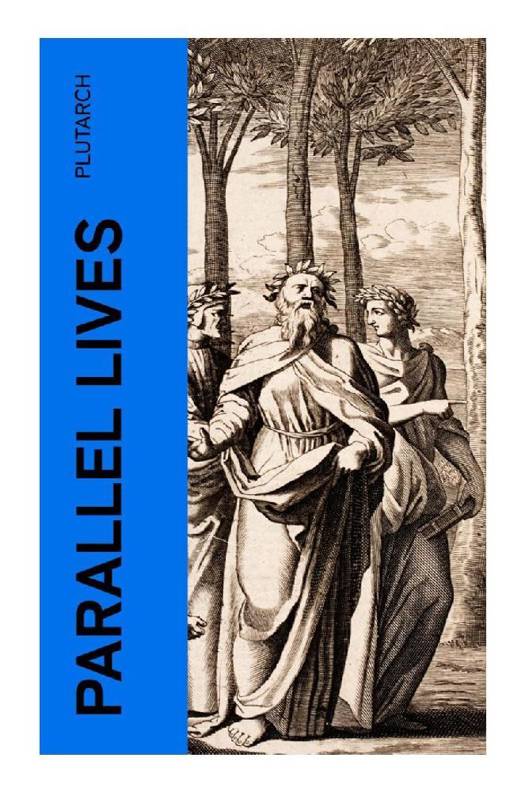
Parallel Lives
Greek and Roman Statesmen in Classical Biography, Moral Character, and Political Power
Plutarch
Paperback | Engels
€ 41,95
+ 83 punten
Omschrijving
Plutarch's Parallel Lives is not merely a gallery of eminent Greeks and Romans, but a sustained inquiry into character, virtue, ambition, and public action. Pairing figures such as Theseus and Romulus, Alexander and Caesar, Demosthenes and Cicero, Plutarch writes in a supple biographical style that blends anecdote, moral reflection, political judgment, and dramatic portraiture. Composed within the Greek intellectual culture of the Roman Empire, the work stands between history, philosophy, and ethical exemplum. Plutarch of Chaeronea, a Greek essayist, priest of Apollo at Delphi, and Platonist moral thinker, lived under Roman rule while remaining deeply attached to Hellenic tradition. His position between Greek memory and Roman power helped shape the design of Parallel Lives: by comparing the great men of both civilizations, he sought not antiquarian completeness but moral understanding, showing how education, temperament, fortune, and civic institutions form public lives. This book is indispensable for readers interested in classical antiquity, political leadership, or the origins of biography. It rewards slow reading, inviting comparison rather than passive admiration. Anyone seeking to understand how ancient writers connected private character with historical consequence will find Parallel Lives both intellectually rich and enduringly provocative.
Specificaties
Betrokkenen
- Auteur(s):
- Vertaler(s):
- Uitgeverij:
Inhoud
- Taal:
- Engels
Eigenschappen
- Productcode (EAN):
- 9788027385706
- Uitvoering:
- Paperback
- Afmetingen:
- 152 mm x 50 mm
- Gewicht:
- 1331 g


Alleen bij Standaard Boekhandel
+ 83 punten op je klantenkaart van Standaard Boekhandel
Cadeau

AANGERADEN


Beoordelingen
We publiceren alleen reviews die voldoen aan de voorwaarden voor reviews. Bekijk onze voorwaarden voor reviews.