


- Afhalen na 1 uur in een winkel met voorraad
- Gratis thuislevering in België vanaf € 30
- Ruim aanbod met 7 miljoen producten
- Afhalen na 1 uur in een winkel met voorraad
- Gratis thuislevering in België vanaf € 30
- Ruim aanbod met 7 miljoen producten





Omschrijving
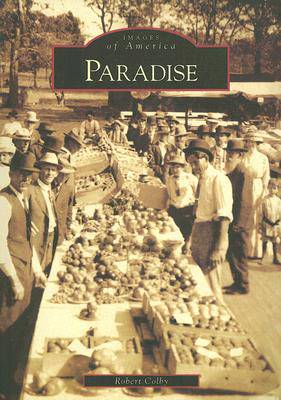
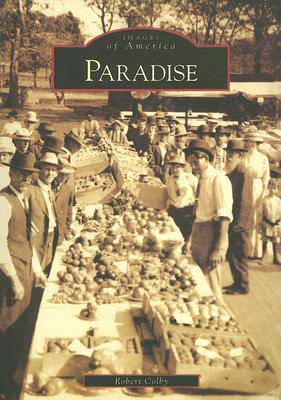
It was more than 150 years ago that Uncle Billy Leonard took refuge from the hellish heat in the shade beneath a Ponderosa pine, breathing in relief to his companions: Boys, this has got to be Paradise! Or so the story goes. Yet it is no fiction that the settlement grew to be more than just a stop on the way from Oroville or Chico to the gold country. Although Paradise was surrounded by mines, it had little gold itself. Disappointed miners made a living cutting timber, working at one of the sawmills, or hacking out homesteads in the foothill forests. Diamond Match Company built a railroad to its sawmill, locating the depot a mile west of town in what was sometimes called New Paradise. For generations before houses began to replace its orchards, Paradise was an apple-growing center, home to harvest festivals that are echoed in today's annual Johnny Appleseed Days.
Specificaties
Betrokkenen
- Auteur(s):
- Uitgeverij:
Inhoud
- Aantal bladzijden:
- 128
- Taal:
- Engels
- Reeks:
Eigenschappen
- Productcode (EAN):
- 9780738546759
- Verschijningsdatum:
- 21/11/2006
- Uitvoering:
- Paperback
- Formaat:
- Trade paperback (VS)
- Afmetingen:
- 167 mm x 235 mm
- Gewicht:
- 326 g


Alleen bij Standaard Boekhandel
+ 69 punten op je klantenkaart van Standaard Boekhandel
Cadeau

AANGERADEN


Beoordelingen
We publiceren alleen reviews die voldoen aan de voorwaarden voor reviews. Bekijk onze voorwaarden voor reviews.