


- Afhalen na 1 uur in een winkel met voorraad
- Gratis thuislevering in België vanaf € 30
- Ruim aanbod met 7 miljoen producten
- Afhalen na 1 uur in een winkel met voorraad
- Gratis thuislevering in België vanaf € 30
- Ruim aanbod met 7 miljoen producten





€ 53,45
+ 106 punten
Eenvoudig bestellen
Veilig betalen


Gratis thuislevering vanaf € 30 (via bpost)
Gratis levering in je Standaard Boekhandel
Omschrijving
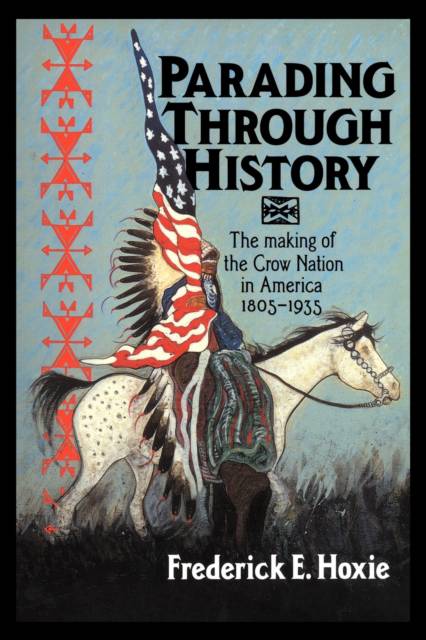
This history of the Crow Indians links their nineteenth-century nomadic life and their modern existence. The Crows not only withstood the dislocation and conquest visited on them after 1805, but acted in the midst of these events to construct a modern Indian community--a nation. Their efforts sustained the pride and strength reflected in Chief Plenty Coups' statement in 1925 that he did "not care at all what historians have to say about Crow Indians," as well as their community's faith in the beauty of its traditions and its inventions. Frederick E. Hoxie demonstrates that contact with outsiders drew the Crows together and tested their ability to adapt their traditions to new conditions. He emphasizes political life, but also describes changes in social relations, religious beliefs, and economic activities. His final chapter discusses the significance of the Crow experience for American history in general.
Specificaties
Betrokkenen
- Auteur(s):
- Uitgeverij:
Inhoud
- Aantal bladzijden:
- 408
- Taal:
- Engels
- Reeks:
Eigenschappen
- Productcode (EAN):
- 9780521485227
- Verschijningsdatum:
- 28/03/1997
- Uitvoering:
- Paperback
- Formaat:
- Trade paperback (VS)
- Afmetingen:
- 153 mm x 229 mm
- Gewicht:
- 526 g


Alleen bij Standaard Boekhandel
+ 106 punten op je klantenkaart van Standaard Boekhandel
CADEAU

AANGERADEN


Beoordelingen
We publiceren alleen reviews die voldoen aan de voorwaarden voor reviews. Bekijk onze voorwaarden voor reviews.