


- Afhalen na 1 uur in een winkel met voorraad
- Gratis thuislevering in België vanaf € 30
- Ruim aanbod met 7 miljoen producten
- Afhalen na 1 uur in een winkel met voorraad
- Gratis thuislevering in België vanaf € 30
- Ruim aanbod met 7 miljoen producten





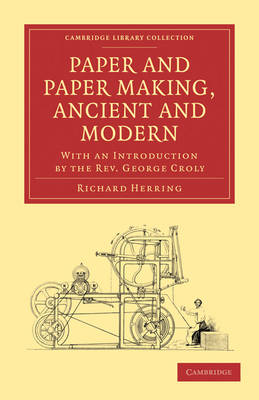
Paper and Paper Making, Ancient and Modern
With an Introduction by the Rev. George Croly
Richard Herring, George Croly
€ 23,95
+ 47 punten
Omschrijving
This short history of paper-making is based on lectures delivered at the London Institute, and was first published in book form in 1855. The young Richard Herring (b. 1829) covers a great deal of ground in just three chapters. His book begins with the origins of writing itself, the first materials upon which people wrote, and the mastery of Egyptian papyrus. He then describes more recent developments such as the paper-making techniques developed in the eighteenth century by James Whatman, watermarks, and an especially captivating section on how the close analysis of paper was used to expose an Irish forgery of Shakespearean manuscripts. The introduction by the Reverend George Croly stresses the importance of paper-making and printing to Christian history. Herring writes enthusiastically, punctuating his account with anecdotes, and patriotically emphasises the unrivalled brilliance of printing in England.
Specificaties
Betrokkenen
- Auteur(s):
- Uitgeverij:
Inhoud
- Aantal bladzijden:
- 156
- Taal:
- Engels
- Reeks:
Eigenschappen
- Productcode (EAN):
- 9781108009058
- Verschijningsdatum:
- 2/11/2010
- Uitvoering:
- Paperback
- Formaat:
- Trade paperback (VS)
- Afmetingen:
- 140 mm x 216 mm
- Gewicht:
- 204 g


Alleen bij Standaard Boekhandel
+ 47 punten op je klantenkaart van Standaard Boekhandel
Cadeau

AANGERADEN


Beoordelingen
We publiceren alleen reviews die voldoen aan de voorwaarden voor reviews. Bekijk onze voorwaarden voor reviews.