


- Afhalen na 1 uur in een winkel met voorraad
- Gratis thuislevering in België vanaf € 30
- Ruim aanbod met 7 miljoen producten
- Afhalen na 1 uur in een winkel met voorraad
- Gratis thuislevering in België vanaf € 30
- Ruim aanbod met 7 miljoen producten





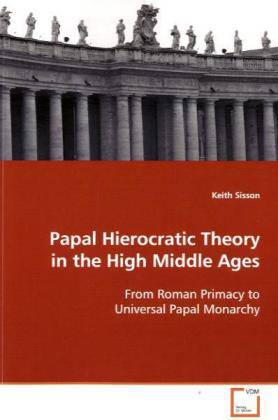
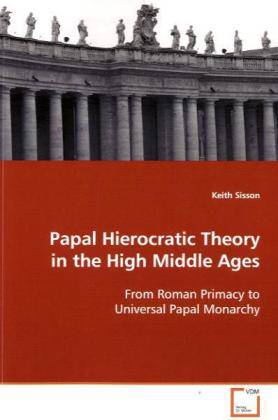
Papal Hierocratic Theory in the High Middle Ages
From Roman Primacy to Universal Papal Monarchy
Keith Sisson
Paperback | Engels
€ 67,45
+ 134 punten
Omschrijving
This study examines the development of the
hierocratic theory of government in the High Middle
Ages, especially during the Franco-papal conflict,
1296-1303. Hierocratic ideas that the papacy held
supreme authority in both spiritual and temporal
matters flourished during the High Middle Ages, and
they continued to evolve until the early fourteenth
century. Given this development, a perennial
question became ever more pressing: what is the
proper relation between the spiritual and temporal
powers?
This debate culminated in the spirited Franco-papal
conflict of the late-thirteenth and early-fourteenth
centuries between Pope Boniface VIII and the king of
France, Philip IV, also known as Philip the Fair.
The result of this conflict was a decline of the
medieval papacy in both prestige and power.
I hope this study will benefit historians interested
in medieval political thought, especially those
interested in Aegidian studies, the Franco-papal
crisis, and the hierocratic doctrine of universal
papal monarchy.
hierocratic theory of government in the High Middle
Ages, especially during the Franco-papal conflict,
1296-1303. Hierocratic ideas that the papacy held
supreme authority in both spiritual and temporal
matters flourished during the High Middle Ages, and
they continued to evolve until the early fourteenth
century. Given this development, a perennial
question became ever more pressing: what is the
proper relation between the spiritual and temporal
powers?
This debate culminated in the spirited Franco-papal
conflict of the late-thirteenth and early-fourteenth
centuries between Pope Boniface VIII and the king of
France, Philip IV, also known as Philip the Fair.
The result of this conflict was a decline of the
medieval papacy in both prestige and power.
I hope this study will benefit historians interested
in medieval political thought, especially those
interested in Aegidian studies, the Franco-papal
crisis, and the hierocratic doctrine of universal
papal monarchy.
Specificaties
Betrokkenen
- Auteur(s):
- Uitgeverij:
Inhoud
- Aantal bladzijden:
- 196
- Taal:
- Engels
Eigenschappen
- Productcode (EAN):
- 9783639126082
- Uitvoering:
- Paperback
- Afmetingen:
- 150 mm x 220 mm
- Gewicht:
- 272 g


Alleen bij Standaard Boekhandel
+ 134 punten op je klantenkaart van Standaard Boekhandel
Cadeau

AANGERADEN


Beoordelingen
We publiceren alleen reviews die voldoen aan de voorwaarden voor reviews. Bekijk onze voorwaarden voor reviews.