


- Afhalen na 1 uur in een winkel met voorraad
- Gratis thuislevering in België vanaf € 30
- Ruim aanbod met 7 miljoen producten
- Afhalen na 1 uur in een winkel met voorraad
- Gratis thuislevering in België vanaf € 30
- Ruim aanbod met 7 miljoen producten





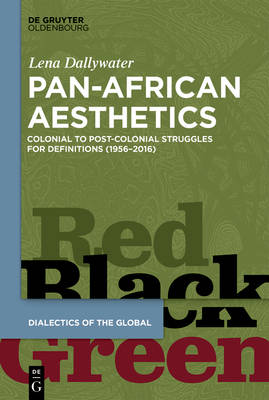
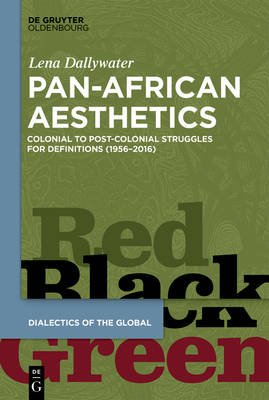
Pan-African Aesthetics
Colonial to Postcolonial Struggles for Definitions (1956-2016)
Lena Dallywater
€ 85,45
+ 170 punten
Omschrijving
Pan-Africanism has been a global project aiming to unite people of African descent since the late nineteenth century. Notions of Black and African arts and aesthetics have functioned as a bridge and brought positive identification across national, ethnic, or class divides even when rifts have appeared unbridgeable. They were able to mediate Africanity positively, both prior to and during the struggle for liberation and at times when the dream of a unified African nation died. This study explores central aspects, proponents, and opponents of Pan-African aesthetics and shows that conceptualizations of Black, African, and Afrocentric aesthetics form a kaleidoscope that is constantly changing. Based on historical sources, in-depth reading and qualitative interviews, the study illustrates what happened to the discussions in the postcolonial era. The story unfolds along the life paths and approaches of four intellectuals from Anglophone and Francophone Africa. Their framings can tell us more about the underlying themes, contestations, and contradictions of emancipatory projects in the mid-twentieth century and show us that the study of Pan-Africanism is not yet exhausted; neither is the history of the idea and the movement.
Specificaties
Betrokkenen
- Auteur(s):
- Uitgeverij:
Inhoud
- Aantal bladzijden:
- 400
- Taal:
- Engels
- Reeks:
- Reeksnummer:
- nr. 19
Eigenschappen
- Productcode (EAN):
- 9783111631400
- Verschijningsdatum:
- 2/02/2026
- Uitvoering:
- Hardcover
- Formaat:
- Genaaid
- Afmetingen:
- 156 mm x 234 mm
- Gewicht:
- 730 g


Alleen bij Standaard Boekhandel
+ 170 punten op je klantenkaart van Standaard Boekhandel
Cadeau

AANGERADEN


Beoordelingen
We publiceren alleen reviews die voldoen aan de voorwaarden voor reviews. Bekijk onze voorwaarden voor reviews.