


- Afhalen na 1 uur in een winkel met voorraad
- Gratis thuislevering in België vanaf € 30
- Ruim aanbod met 7 miljoen producten
- Afhalen na 1 uur in een winkel met voorraad
- Gratis thuislevering in België vanaf € 30
- Ruim aanbod met 7 miljoen producten





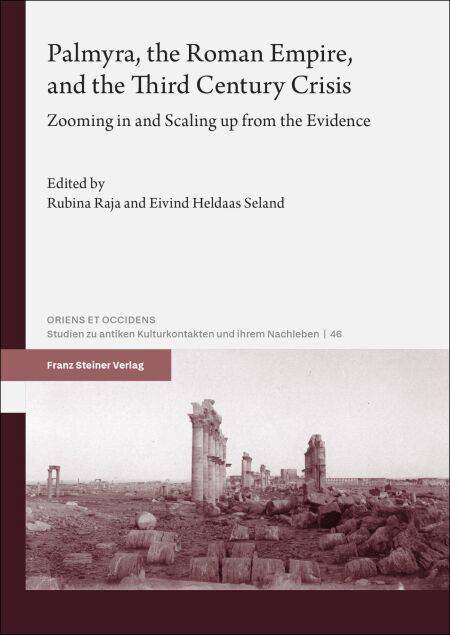
Palmyra, the Roman Empire, and the Third Century Crisis E-BOOK
Zooming in and Scaling up from the Evidence
€ 76,00
+ 76 punten
Uitvoering
Omschrijving
The third century is often seen as a period of crisis in the Roman world, marked by political upheaval, violence, war, religious strife, hyperinflation, climatic instability, pandemics, and border incursions. These troubled times, however, coincided with the peak of Palmyra's prosperity. They encompassed the Syrian city's drift towards centralised rulership and short-lived political hegemony in the Near East, as well as its reach for imperial power and downfall in the years 270–272 CE.
How can this discrepancy between metropolitan crisis and peripheral prosperity be explained? Along with experts on different aspects of Palmyra, this volume gathers contributions from leading scholars working with the Roman Empire, and with neighbouring regions inside and beyond the imperial borders. Highlighting parallels, discrepancies, connections, and disconnections between developments in Palmyra and other parts of the world with which Palmyra interacted, the aim is a more critical, detailed, and nuanced understanding of the situation in the Roman Near East in the third century CE.
How can this discrepancy between metropolitan crisis and peripheral prosperity be explained? Along with experts on different aspects of Palmyra, this volume gathers contributions from leading scholars working with the Roman Empire, and with neighbouring regions inside and beyond the imperial borders. Highlighting parallels, discrepancies, connections, and disconnections between developments in Palmyra and other parts of the world with which Palmyra interacted, the aim is a more critical, detailed, and nuanced understanding of the situation in the Roman Near East in the third century CE.
Specificaties
Betrokkenen
- Uitgeverij:
Inhoud
- Aantal bladzijden:
- 323
- Taal:
- Engels
- Reeks:
Eigenschappen
- Productcode (EAN):
- 9783515140324
- Verschijningsdatum:
- 27/11/2025
- Uitvoering:
- E-book
- Beveiligd met:
- Digital watermarking
- Formaat:

Alleen bij Standaard Boekhandel
+ 76 punten op je klantenkaart van Standaard Boekhandel
Cadeau

AANGERADEN


Beoordelingen
We publiceren alleen reviews die voldoen aan de voorwaarden voor reviews. Bekijk onze voorwaarden voor reviews.