


- Afhalen na 1 uur in een winkel met voorraad
- Gratis thuislevering in België vanaf € 30
- Ruim aanbod met 7 miljoen producten
- Afhalen na 1 uur in een winkel met voorraad
- Gratis thuislevering in België vanaf € 30
- Ruim aanbod met 7 miljoen producten





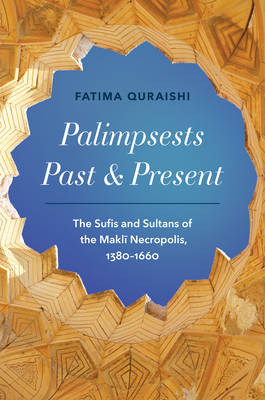
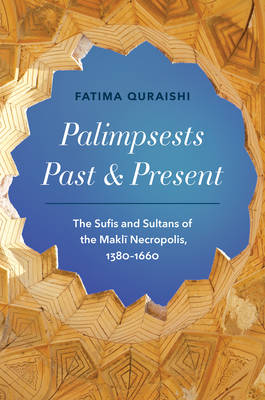
Palimpsests Past and Present
The Sufis and Sultans of the Maklī Necropolis, 1380-1660
Fatima Quraishi
€ 57,95
+ 115 punten
Uitvoering
Omschrijving
Established in the late fourteenth century in what is now Sindh Province, Pakistan, the Maklī necropolis grew over three centuries to a site of more than seventy monumental tombs and mosques, and hundreds, if not thousands, of graves. Maklī's distinctive architecture sheds light on the intersection of transregional artistic styles through its accretional building practices by generations of craftspeople. Over its long history, Maklī became a site layered with multiple meanings as regional elites and everyday Sufi devotees sought to be buried in the shadow of saints--and as the living visited the necropolis to enact devotions and duty.
Here, Fatima Quraishi uses rarely consulted archives in Pakistan alongside close analysis of Maklī's built environment to understand the site as an artistic and architectural palimpsest, mutually established by elite patronage and humble devotions. At Maklī, the passage of time merges with changes in religion and society to reveal the vibrant lives and afterlives of tombs integral to the communal life of surrounding areas. By studying what has long been treated as an interstitial space between Central Asia and India, Quraishi's work speaks to wider explorations of borderlands of the premodern past.
Here, Fatima Quraishi uses rarely consulted archives in Pakistan alongside close analysis of Maklī's built environment to understand the site as an artistic and architectural palimpsest, mutually established by elite patronage and humble devotions. At Maklī, the passage of time merges with changes in religion and society to reveal the vibrant lives and afterlives of tombs integral to the communal life of surrounding areas. By studying what has long been treated as an interstitial space between Central Asia and India, Quraishi's work speaks to wider explorations of borderlands of the premodern past.
Specificaties
Betrokkenen
- Auteur(s):
- Uitgeverij:
Inhoud
- Aantal bladzijden:
- 336
- Taal:
- Engels
- Reeks:
Eigenschappen
- Productcode (EAN):
- 9781469697628
- Verschijningsdatum:
- 20/10/2026
- Uitvoering:
- Paperback
- Formaat:
- Trade paperback (VS)
- Afmetingen:
- 155 mm x 235 mm


Alleen bij Standaard Boekhandel
+ 115 punten op je klantenkaart van Standaard Boekhandel
Cadeau

AANGERADEN


Beoordelingen
We publiceren alleen reviews die voldoen aan de voorwaarden voor reviews. Bekijk onze voorwaarden voor reviews.