


- Afhalen na 1 uur in een winkel met voorraad
- Gratis thuislevering in België vanaf € 30
- Ruim aanbod met 7 miljoen producten
- Afhalen na 1 uur in een winkel met voorraad
- Gratis thuislevering in België vanaf € 30
- Ruim aanbod met 7 miljoen producten





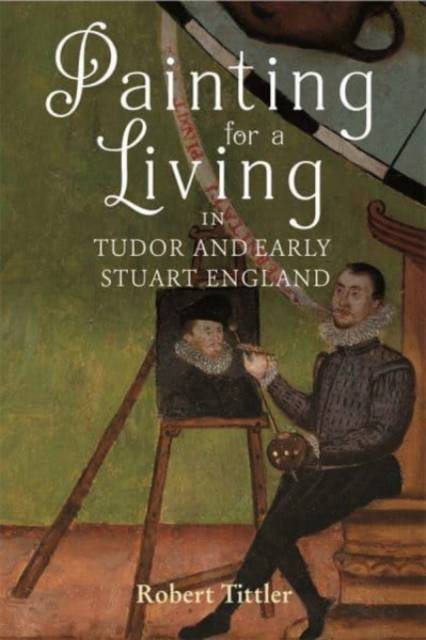
Painting for a Living in Tudor and Early Stuart England
Robert Tittler
€ 209,45
+ 418 punten
Eenvoudig bestellen
Veilig betalen


Gratis thuislevering vanaf € 30 (via bpost)
Gratis levering in je Standaard Boekhandel
Omschrijving
While famous artists such as Holbein, Rubens, or Van Dyck are all known for their creative periods in England or their employment at the English court, they still had to make ends meet, as did the less well-known practitioners of their craft. This book, by one of the leading historians of Tudor and Stuart England, sheds light on the daily concerns, practices, and activities of many of these painters. Drawing on a biographical database comprising nearly 3000 painters and craftsmen - strangers and native English, Londoners and provincial townsmen, men and sometimes women, celebrity artists and 'mere painters' - this book offers an account of what it meant to paint for a living in early modern England. It considers the origins of these painters as well as their geographical location, the varieties of their expertise, and the personnel and spatial arrangements of their workshops. Engagingly written, the book captures a sense of mobility and exchange between England and the continent through the considerable influence of stranger-painters, undermining traditional notions about the insular character of this phase in the history of English art. By showing how painters responded to the greater political, religious, and economic upheavals of the time, the study refracts the history of England itself through the lens of this particular occupation.
Specificaties
Betrokkenen
- Auteur(s):
- Uitgeverij:
Inhoud
- Aantal bladzijden:
- 306
- Taal:
- Engels
- Reeks:
- Reeksnummer:
- nr. 43
Eigenschappen
- Productcode (EAN):
- 9781783276639
- Verschijningsdatum:
- 4/03/2022
- Uitvoering:
- Hardcover
- Formaat:
- Genaaid
- Afmetingen:
- 156 mm x 234 mm
- Gewicht:
- 603 g


Alleen bij Standaard Boekhandel
+ 418 punten op je klantenkaart van Standaard Boekhandel
CADEAU

AANGERADEN


Beoordelingen
We publiceren alleen reviews die voldoen aan de voorwaarden voor reviews. Bekijk onze voorwaarden voor reviews.