


- Afhalen na 1 uur in een winkel met voorraad
- Gratis thuislevering in België vanaf € 30
- Ruim aanbod met 7 miljoen producten
- Afhalen na 1 uur in een winkel met voorraad
- Gratis thuislevering in België vanaf € 30
- Ruim aanbod met 7 miljoen producten





€ 41,95
+ 83 punten
Omschrijving
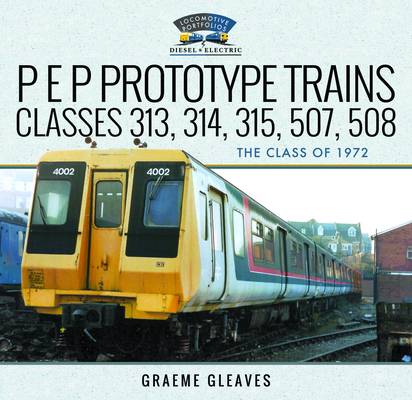
At the tail end of the 1960s British Railways was in a state of decay, steam had only just been eliminated and the effects of the Beeching cuts had trimmed the network of 1000s of miles of track and 100s of stations. The industry was starved of investment and there were even those who questioned if the railways were even relevant any more?
From this the fightback began with a new corporate image and the decision to modernise with new trains needed that were state of the art and could handle the one traffic flow the railway still had a monopoly on, the urban commuter. An extensive design and test programme was initiated by British Rail's engineering and technical arms and this lead to the creation of five near identical classes of trains that were to become a huge success.
These units ferried millions of passengers into and out of major cities in England and Scotland, lasting well beyond the end of the expected design life and became much loved by enthusiasts with examples even being the subject of preservation upon withdrawal. This book tells the story of these trains from concept to delivery and all the way to the end of their operating lives.
From this the fightback began with a new corporate image and the decision to modernise with new trains needed that were state of the art and could handle the one traffic flow the railway still had a monopoly on, the urban commuter. An extensive design and test programme was initiated by British Rail's engineering and technical arms and this lead to the creation of five near identical classes of trains that were to become a huge success.
These units ferried millions of passengers into and out of major cities in England and Scotland, lasting well beyond the end of the expected design life and became much loved by enthusiasts with examples even being the subject of preservation upon withdrawal. This book tells the story of these trains from concept to delivery and all the way to the end of their operating lives.
Specificaties
Betrokkenen
- Auteur(s):
- Uitgeverij:
Inhoud
- Aantal bladzijden:
- 160
- Taal:
- Engels
- Reeks:
Eigenschappen
- Productcode (EAN):
- 9781036102470
- Verschijningsdatum:
- 30/10/2026
- Uitvoering:
- Hardcover
- Formaat:
- Genaaid
- Afmetingen:
- 248 mm x 241 mm


Alleen bij Standaard Boekhandel
+ 83 punten op je klantenkaart van Standaard Boekhandel
Cadeau

AANGERADEN


Beoordelingen
We publiceren alleen reviews die voldoen aan de voorwaarden voor reviews. Bekijk onze voorwaarden voor reviews.