


- Afhalen na 1 uur in een winkel met voorraad
- Gratis thuislevering in België vanaf € 30
- Ruim aanbod met 7 miljoen producten
- Afhalen na 1 uur in een winkel met voorraad
- Gratis thuislevering in België vanaf € 30
- Ruim aanbod met 7 miljoen producten




€ 98,45
+ 196 punten
Omschrijving
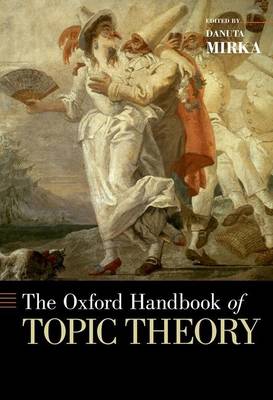
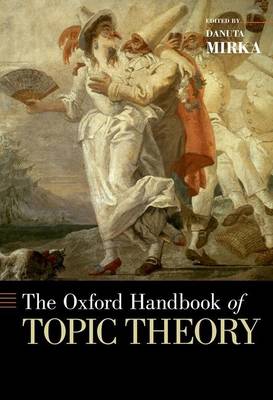
Topics are musical signs developed and employed primarily during the long eighteenth century. Their significance relies on associations that are clearly recognizable to the listener with different genres, styles and types of music making. Topic theory, which is used to explain conventional subjects of musical composition in this period, is grounded in eighteenth-century music theory, aesthetics, and criticism, while drawing also from music cognition and semiotics. The concept of topics was introduced into by Leonard Ratner in the 1980s to account for cross-references between eighteenth-century styles and genres. As the invention of a twentieth-century academic, topic theory as a field is comparatively new, and The Oxford Handbook of Topic Theory provides a much-needed reconstruction of the field's aesthetic underpinnings.
Specificaties
Betrokkenen
- Auteur(s):
- Uitgeverij:
Inhoud
- Aantal bladzijden:
- 712
- Taal:
- Engels
- Reeks:
Eigenschappen
- Productcode (EAN):
- 9780190618803
- Verschijningsdatum:
- 1/08/2016
- Uitvoering:
- Paperback
- Formaat:
- Trade paperback (VS)
- Afmetingen:
- 155 mm x 231 mm
- Gewicht:
- 408 g


Alleen bij Standaard Boekhandel
+ 196 punten op je klantenkaart van Standaard Boekhandel
AANGERADEN


Beoordelingen
We publiceren alleen reviews die voldoen aan de voorwaarden voor reviews. Bekijk onze voorwaarden voor reviews.