



- Afhalen na 1 uur in een winkel met voorraad
- In januari gratis thuislevering in België
- Ruim aanbod met 7 miljoen producten
- Afhalen na 1 uur in een winkel met voorraad
- In januari gratis thuislevering in België
- Ruim aanbod met 7 miljoen producten





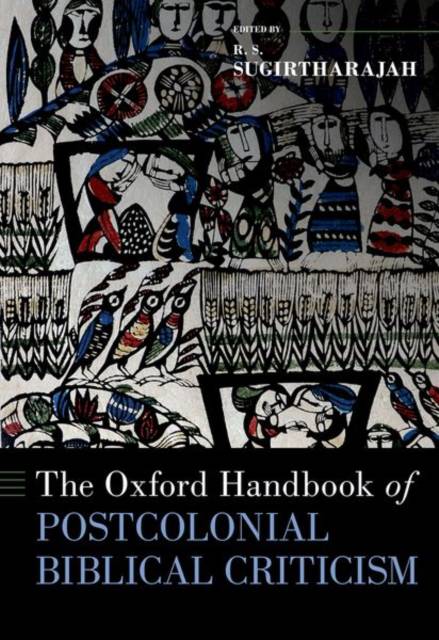
Oxford Handbook of Postcolonial Biblical Criticism
R S Sugirtharajah
€ 298,45
+ 596 punten
Omschrijving
The Oxford Handbook of Postcolonial Biblical Criticism is a comprehensive treatment of a relatively new form of scholarship-one of the most compelling and contested theories to emerge in recent times, and a topic that actively seeks to expand the ways in which the Bible can be studied, interpreted, and applied. Generally speaking, postcolonialism aims to critique and dismantle hegemonic worldviews and power structures, while giving voice to previously marginalized peoples and systems of thought. This approach, often varied in form, has inevitably engaged with the text and reception of the Bible, a scripture that Western colonizers introduced to-and often imposed upon-their colonial subjects. With a globally diverse list of contributors, the Handbook aims to cover the perspective and context of the authors of the Bible, as well as the modern experiences of imperialism, resistance, decolonization, and nationalism. Moreover, the volume includes both a theoretical overview and an exploration of how the field intersects with related areas, such as gender studies, race, postmodernism, and liberation theology.
Specificaties
Betrokkenen
- Auteur(s):
- Uitgeverij:
Inhoud
- Aantal bladzijden:
- 792
- Taal:
- Engels
- Reeks:
Eigenschappen
- Productcode (EAN):
- 9780190888459
- Verschijningsdatum:
- 27/06/2023
- Uitvoering:
- Hardcover
- Formaat:
- Genaaid
- Afmetingen:
- 185 mm x 241 mm
- Gewicht:
- 1428 g


Alleen bij Standaard Boekhandel
+ 596 punten op je klantenkaart van Standaard Boekhandel
Cadeau

AANGERADEN


Beoordelingen
We publiceren alleen reviews die voldoen aan de voorwaarden voor reviews. Bekijk onze voorwaarden voor reviews.