


- Afhalen na 1 uur in een winkel met voorraad
- Gratis thuislevering in België vanaf € 30
- Ruim aanbod met 7 miljoen producten
- Afhalen na 1 uur in een winkel met voorraad
- Gratis thuislevering in België vanaf € 30
- Ruim aanbod met 7 miljoen producten





€ 402,95
+ 805 punten
Omschrijving
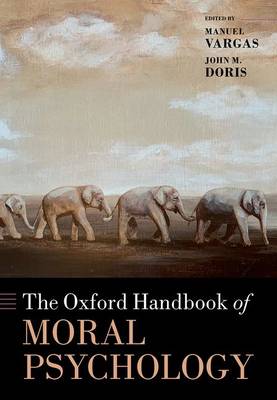
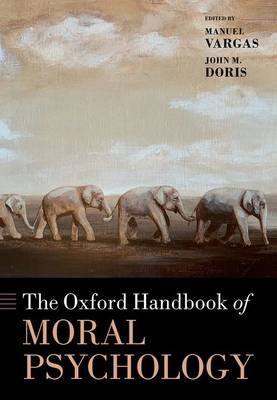
Moral psychology is the study of how human minds make and are made by human morality. This state-of-the-art volume covers contemporary philosophical and psychological work on moral psychology, as well as notable historical theories and figures in the field of moral psychology, such as Aristotle, Kant, Nietzsche, and the Buddha. The Oxford Handbook of Moral Psychology's fifty chapters, authored by leading figures in the field, cover foundational topics, such as character, virtue, emotion, moral responsibility, the neuroscience of morality, weakness of will, and the nature of moral judgments and reasons. The volume also canvases emerging work in applied moral psychology, including adaptive preferences, animals, mental illness, poverty, marriage, race, bias, and victim blaming. Collectively, the essays form the definitive survey of contemporary moral psychology.
Specificaties
Betrokkenen
- Auteur(s):
- Uitgeverij:
Inhoud
- Aantal bladzijden:
- 1120
- Taal:
- Engels
- Reeks:
Eigenschappen
- Productcode (EAN):
- 9780198871712
- Verschijningsdatum:
- 14/07/2022
- Uitvoering:
- Hardcover
- Formaat:
- Genaaid
- Afmetingen:
- 176 mm x 253 mm
- Gewicht:
- 2091 g


Alleen bij Standaard Boekhandel
+ 805 punten op je klantenkaart van Standaard Boekhandel
Cadeau

AANGERADEN


Beoordelingen
We publiceren alleen reviews die voldoen aan de voorwaarden voor reviews. Bekijk onze voorwaarden voor reviews.