


- Afhalen na 1 uur in een winkel met voorraad
- Gratis thuislevering in België vanaf € 30
- Ruim aanbod met 7 miljoen producten
- Afhalen na 1 uur in een winkel met voorraad
- Gratis thuislevering in België vanaf € 30
- Ruim aanbod met 7 miljoen producten





€ 144,45
+ 288 punten
Omschrijving
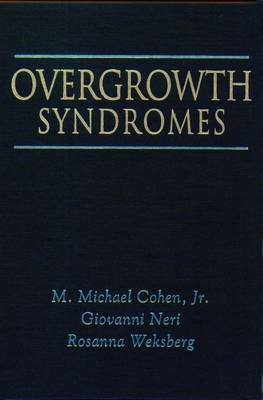
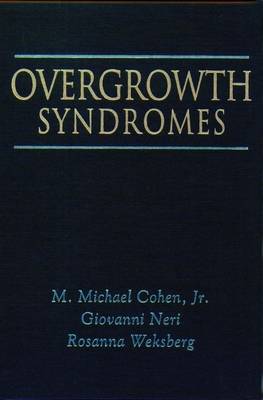
Overgrowth Syndromes presents a broad yet in-depth discussion of children who are large at birth or experience excessive postnatal growth or some combination of increased weight, length, and head circumference. Many of these syndromes are associated with an increased frequency of tumors. The book is important because of the ever-increasing number of newly identified overgrowth syndromes and the rapid progression of molecular knowledge of these conditions. It covers: Beckwith Wiedemann syndrome, Simpson-Golabi-Behmel syndrome, Sotos syndrome, Proteus syndrome, Bannayan-Riley-Ruvalcaba syndrome, Klippel-Trenaunay syndrome, neurofibromatosis, and fragile X syndrome, among other topics. Each chapter provides a historical perspective and deals with epidemiology, etiology, and molecular biology when known, clinical and pathological features, diagnostic criteria, and differential diagnosis. The book is encyclopedic in scope. It will be of value to pediatricians, medical geneticists, oncologists, hematologists, surgeons, pathologists, radiologists, dermatologists, nephrologists, and molecular biologists.
Specificaties
Betrokkenen
- Auteur(s):
- Uitgeverij:
Inhoud
- Aantal bladzijden:
- 224
- Taal:
- Engels
- Reeks:
- Reeksnummer:
- nr. 43
Eigenschappen
- Productcode (EAN):
- 9780195117462
- Verschijningsdatum:
- 4/10/2001
- Uitvoering:
- Hardcover
- Formaat:
- Genaaid
- Afmetingen:
- 181 mm x 262 mm
- Gewicht:
- 693 g


Alleen bij Standaard Boekhandel
+ 288 punten op je klantenkaart van Standaard Boekhandel
CADEAU

AANGERADEN


Beoordelingen
We publiceren alleen reviews die voldoen aan de voorwaarden voor reviews. Bekijk onze voorwaarden voor reviews.