


- Afhalen na 1 uur in een winkel met voorraad
- Gratis thuislevering in België vanaf € 30
- Ruim aanbod met 7 miljoen producten
- Afhalen na 1 uur in een winkel met voorraad
- Gratis thuislevering in België vanaf € 30
- Ruim aanbod met 7 miljoen producten





€ 152,95
+ 305 punten
Eenvoudig bestellen
Veilig betalen


Gratis thuislevering vanaf € 30 (via bpost)
Gratis levering in je Standaard Boekhandel
Omschrijving
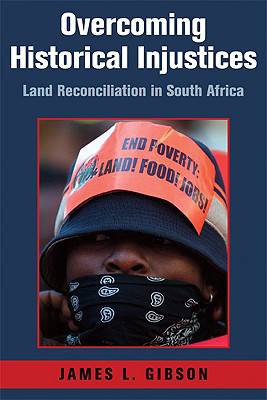
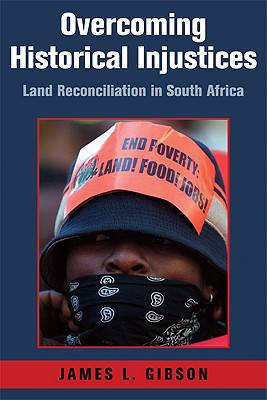
Overcoming Historical Land Injustices in South Africa is the last entry in Gibson's "overcoming trilogy" on South Africa's transformation from apartheid to democracy. Focusing on the issue of historical land dispossessions - the taking of African land under colonialism and apartheid - this book investigates the judgments South Africans make about the fairness of their country's past. Should, for instance, land seized under apartheid be returned today to its rightful owner? Gibson's research zeroes in on group identities and attachments as the thread that connects people to the past. Even when individuals have experienced no direct harm in the past, they care about the fairness of the treatment of their group to the extent that they identify with that group. Gibson's analysis shows that land issues in contemporary South Africa are salient, volatile, and enshrouded in symbols and, most important, that interracial differences in understandings of the past and preferences for the future are profound.
Specificaties
Betrokkenen
- Auteur(s):
- Uitgeverij:
Inhoud
- Aantal bladzijden:
- 328
- Taal:
- Engels
- Reeks:
Eigenschappen
- Productcode (EAN):
- 9780521517881
- Verschijningsdatum:
- 20/07/2009
- Uitvoering:
- Hardcover
- Formaat:
- Ongenaaid / garenloos gebonden
- Afmetingen:
- 152 mm x 229 mm
- Gewicht:
- 566 g


Alleen bij Standaard Boekhandel
+ 305 punten op je klantenkaart van Standaard Boekhandel
CADEAU

AANGERADEN


Beoordelingen
We publiceren alleen reviews die voldoen aan de voorwaarden voor reviews. Bekijk onze voorwaarden voor reviews.