


- Afhalen na 1 uur in een winkel met voorraad
- Gratis thuislevering in België vanaf € 30
- Ruim aanbod met 7 miljoen producten
- Afhalen na 1 uur in een winkel met voorraad
- Gratis thuislevering in België vanaf € 30
- Ruim aanbod met 7 miljoen producten





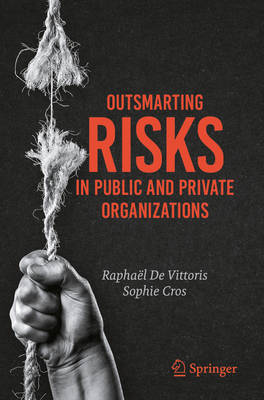
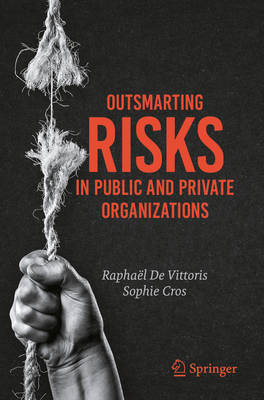
Outsmarting Risks in Public and Private Organizations
Raphaël de Vittoris, Sophie Cros
Paperback | Engels
€ 41,45
+ 82 punten
Omschrijving
Health crises, geopolitical issues, cyberattacks, the Great Resignation... Risks are more present than ever and come in various forms that companies try to control and interpret to avoid bankruptcy. However, the methods and techniques used so far, have proven to be quite ineffective. How can risks be identified? Which frameworks should be followed? How can they be assessed? Who should be in charge of risk management? What importance should this discipline hold within companies? By focusing on five key misconceptions, this book explores these common methodologies, highlighting their limitations and providing real leads so that all risk and crisis professionals, as well as organizations and their ecosystems, can truly thwart risks. Risk management has gradually become integrated into corporate management, but in an era of uncertainty and unpredictability, only a shared risk culture will be able to meet this strategic challenge.
Specificaties
Betrokkenen
- Auteur(s):
- Uitgeverij:
Inhoud
- Aantal bladzijden:
- 130
- Taal:
- Engels
Eigenschappen
- Productcode (EAN):
- 9783032223135
- Verschijningsdatum:
- 5/07/2026
- Uitvoering:
- Paperback
- Formaat:
- Trade paperback (VS)
- Afmetingen:
- 155 mm x 235 mm
- Gewicht:
- 236 g


Alleen bij Standaard Boekhandel
+ 82 punten op je klantenkaart van Standaard Boekhandel
CADEAU

AANGERADEN


Beoordelingen
We publiceren alleen reviews die voldoen aan de voorwaarden voor reviews. Bekijk onze voorwaarden voor reviews.