


- Afhalen na 1 uur in een winkel met voorraad
- Gratis thuislevering in België vanaf € 30
- Ruim aanbod met 7 miljoen producten
- Afhalen na 1 uur in een winkel met voorraad
- Gratis thuislevering in België vanaf € 30
- Ruim aanbod met 7 miljoen producten





€ 124,45
+ 248 punten
Uitvoering
Omschrijving
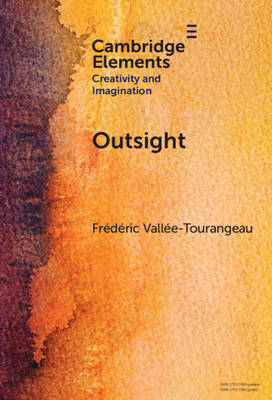
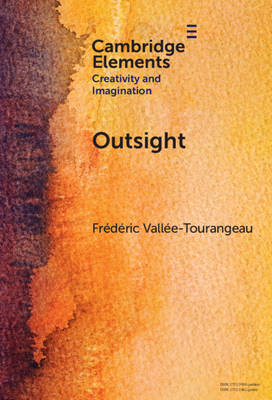
The way we understand creativity in psychology is built on a fundamental asymmetry between people and objects: people have thoughts, intentions, and the ability to act, while objects lack these qualities. However, despite this distinction, objects that are created communicate with their creator. During the process of creation, objects being formed by the creator take on certain characteristics and behave in certain ways, resulting in a kind of conversation between the person working on solving a problem and the results physically produced. In essence, while the traditional view focuses on the person's thoughts and intentions as the driving force of creativity, the dialogue between the creative individual and the evolving product of their work is overlooked. This Element proposes a methodology and theoretical vocabulary that restore the role of objects in the dynamic unfolding of creative problem solving. This title is also available as Open Access on Cambridge Core.
Specificaties
Betrokkenen
- Auteur(s):
- Uitgeverij:
Inhoud
- Aantal bladzijden:
- 66
- Taal:
- Engels
- Reeks:
Eigenschappen
- Productcode (EAN):
- 9781009529730
- Verschijningsdatum:
- 30/01/2025
- Uitvoering:
- Hardcover
- Formaat:
- Genaaid
- Afmetingen:
- 152 mm x 229 mm
- Gewicht:
- 263 g


Alleen bij Standaard Boekhandel
+ 248 punten op je klantenkaart van Standaard Boekhandel
Cadeau

AANGERADEN


Beoordelingen
We publiceren alleen reviews die voldoen aan de voorwaarden voor reviews. Bekijk onze voorwaarden voor reviews.